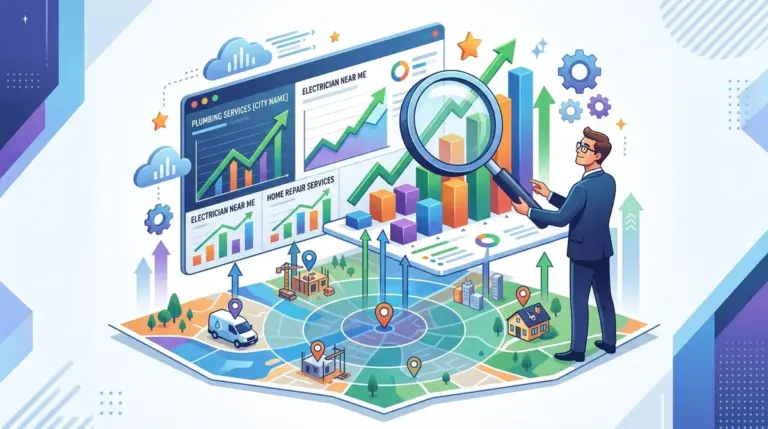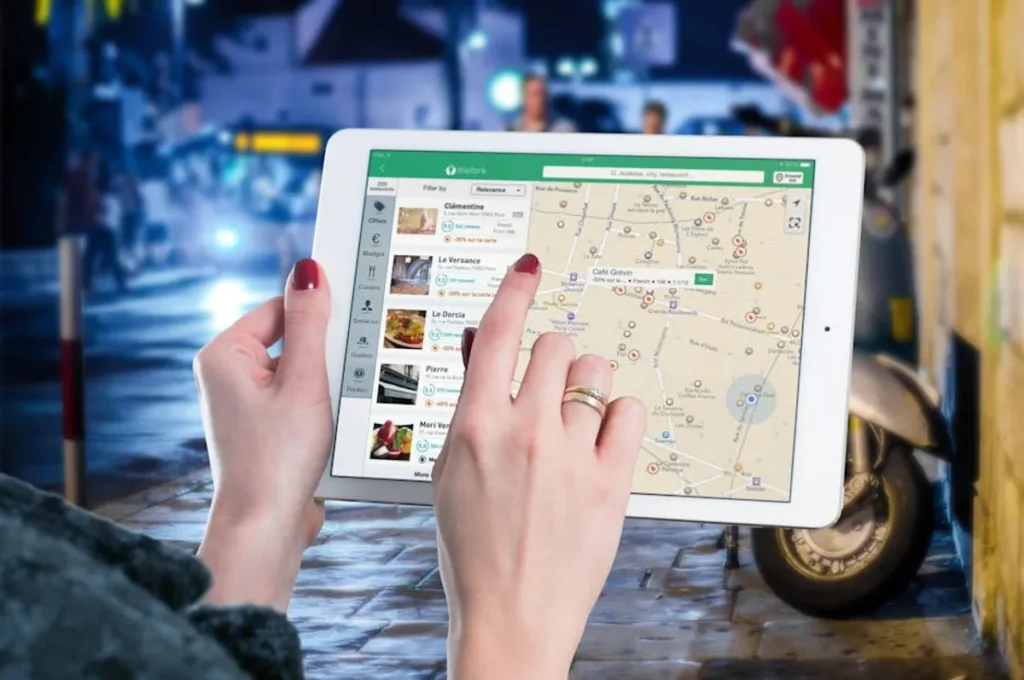
For any business or agency focused on localized search visibility, the ability to track rankings specifically by city and within the Google Maps Pack is not merely an added feature—it is a foundational requirement. Traditional rank tracking, while useful for broader organic performance, often falls short in capturing the hyper-localized, personalized, and often volatile nature of local search engine results pages (SERPs). The decision to implement a dedicated local rank tracker hinges on understanding these distinctions and the direct impact they have on local market share and customer acquisition. This is why understanding how to track rankings by city is paramount for local success.
Businesses operating across multiple physical locations, service area businesses, or agencies managing local SEO for clients, need granular data that reflects actual user experiences. A generic rank tracker might show a business ranking #1 nationally for a keyword, but if that same business doesn't appear in the local Map Pack or even the top 10 organic results for a specific city, its local visibility and commercial viability are compromised. This article explores the specific capabilities and strategic advantages of a local rank tracker designed to address these precise needs.
Distinguishing Local from General Rank Tracking
Local search results are fundamentally different from general organic search. Google, and other search engines, heavily personalize results based on a user's geographical location, device, and search history. This means a business's ranking for a given keyword can vary significantly from one street to the next, let alone from one city to another. A general rank tracker typically queries from a single, broad location, providing an aggregate view that often masks critical local performance issues. Local rank tracking, conversely, simulates searches from specific geographic points, providing a more accurate reflection of what a local customer sees.
The Map Pack: A Separate Visibility Frontier
The Google Maps Pack, often appearing at the top of local SERPs, is a critical component of local visibility. It typically displays 3-4 local businesses, their ratings, addresses, and sometimes operational hours. Securing a position within the Map Pack often drives a disproportionate amount of local traffic, phone calls, and foot traffic. Tracking Map Pack rankings separately from traditional organic results is essential because the ranking factors differ. Map Pack visibility is heavily influenced by Google Business Profile (GBP) optimization, proximity, prominence, and review signals, whereas organic results consider broader SEO factors. A local rank tracker provides specific insights into Map Pack performance, allowing businesses to strategize for this high-value real estate effectively. Learning how to track Map Pack rankings effectively can significantly boost your local visibility.
Core Functionality of a Local Rank Tracker
An effective local rank tracker moves beyond simple keyword position checks, offering specialized features tailored for local SEO. These functionalities provide the precise data points necessary for informed decision-making and targeted optimization efforts.
- Hyper-Local Query Simulation: The ability to specify exact cities, neighborhoods, zip codes, or even GPS coordinates for rank checks. This ensures data reflects what users in those specific areas actually see.
- Dedicated Map Pack Tracking: Separate monitoring and reporting for positions within the Google Maps Pack, including the specific businesses listed and their associated review data.
- Google Business Profile (GBP) Integration: Often, these trackers can pull in or correlate data with GBP insights, highlighting the connection between GBP optimization and local search performance.
- Competitor Local Tracking: Monitoring not just your own local rankings, but also those of key local competitors across specific cities and within the Map Pack. This reveals competitive gaps and opportunities.
- Review Monitoring & Sentiment Analysis: Tracking review counts, average ratings, and even keyword mentions within reviews, which are significant local ranking signals.
- Historical Data & Trend Analysis: Maintaining a record of local ranking fluctuations over time, allowing for the identification of patterns, assessment of strategy effectiveness, and proactive adjustments.
- Scheduled Reporting & Alerts: Automated delivery of local ranking reports and immediate notifications for significant ranking changes (drops or gains) in critical local markets.
Pro Tip: When evaluating a local rank tracker, prioritize its refresh rate and the number of locations it can track simultaneously. Weekly updates are typically sufficient for organic local, but daily Map Pack checks can provide a more immediate signal for highly competitive terms, especially after GBP updates or review influxes. Ensure the tool allows for sufficient location granularity without prohibitive cost scaling.
Strategic Applications of Local Rank Data
The data derived from a local rank tracker is not merely for reporting; it directly informs and refines local SEO strategy. By understanding precise local performance, businesses and agencies can allocate resources more effectively.
Optimizing Google Business Profile
Local rank data directly informs GBP optimization. If Map Pack rankings are low in a specific city, it signals a need to review and enhance the corresponding GBP listing. This includes optimizing categories, ensuring accurate business information, uploading high-quality photos, encouraging and responding to reviews, and posting regular updates. Tracking helps validate whether these GBP efforts translate into improved Map Pack visibility.
Targeted Content Localization
When a business ranks well organically in one city but poorly in another for similar services, it often indicates a content gap. Local rank tracking helps identify these discrepancies, prompting the creation of city-specific landing pages, blog posts, or service pages that incorporate local landmarks, events, or community-specific keywords. This ensures content resonates with local searchers and satisfies local intent.
Informed Local Link Building and Citation Management
Local rankings can highlight areas where a business lacks local authority. This data can guide local link building efforts, focusing on acquiring backlinks from local chambers of commerce, community organizations, local news sites, or complementary local businesses. Similarly, consistent and accurate local citations across directories are crucial; rank tracking can reveal if citation inconsistencies are impacting local visibility in particular regions.
Selecting the Right Local Rank Tracker
Choosing a local rank tracker involves considering specific business needs, budget, and the scale of operations. For agencies managing numerous clients across diverse geographies, scalability, API access, and white-label reporting capabilities are paramount. Small businesses with a single location might prioritize ease of use and affordability. Key considerations include:
- Data Accuracy: How reliably does the tracker simulate local searches? Does it account for personalization?
- Reporting & Visualization: Are the reports clear, customizable, and easy to interpret for both SEO professionals and clients?
- Scalability: Can the platform efficiently handle an increasing number of locations and keywords as the business grows?
- Integration: Does it integrate with other SEO tools or allow for easy data export for further analysis?
- User Interface (UI) & User Experience (UX): Is the platform intuitive, making it easy to set up tracking, view data, and generate reports?
Strategic Next Steps for Local SEO
Implementing a local rank tracker is the first step; the subsequent actions determine its value. Regularly review local ranking reports, ideally weekly or bi-weekly, to identify trends and anomalies. Prioritize action items based on commercial impact—e.g., addressing significant Map Pack drops in high-value cities. Integrate local ranking data with other local SEO metrics, such as GBP insights (calls, direction requests, website clicks) and local traffic analytics, to form a holistic view of local performance. This integrated approach ensures that local SEO strategies are data-driven, responsive, and ultimately contribute to tangible business growth.
Frequently Asked Questions
Why is local rank tracking different from general organic rank tracking?
Local rank tracking accounts for geographical proximity and user intent, simulating searches from specific locations (cities, zip codes) to reflect hyper-localized results, including the Google Maps Pack, which general organic tracking often overlooks or aggregates broadly.
How often should I check my local rankings?
For most businesses, weekly or bi-weekly checks for organic local rankings are sufficient. However, for highly competitive keywords or after significant Google Business Profile updates, monitoring Map Pack rankings daily can provide more timely insights into performance shifts.
Can a local rank tracker help with Google Business Profile optimization?
Yes, by showing your Map Pack performance for specific keywords in specific locations, a local rank tracker can highlight areas where your Google Business Profile needs optimization, such as category refinement, service area adjustments, or review management.
Is local rank tracking necessary for service area businesses without a physical storefront?
Absolutely. Service area businesses still rely heavily on local search visibility. A local rank tracker helps them understand their performance in the specific cities and neighborhoods they serve, even without a customer-facing address, guiding their GBP optimization and localized content efforts.