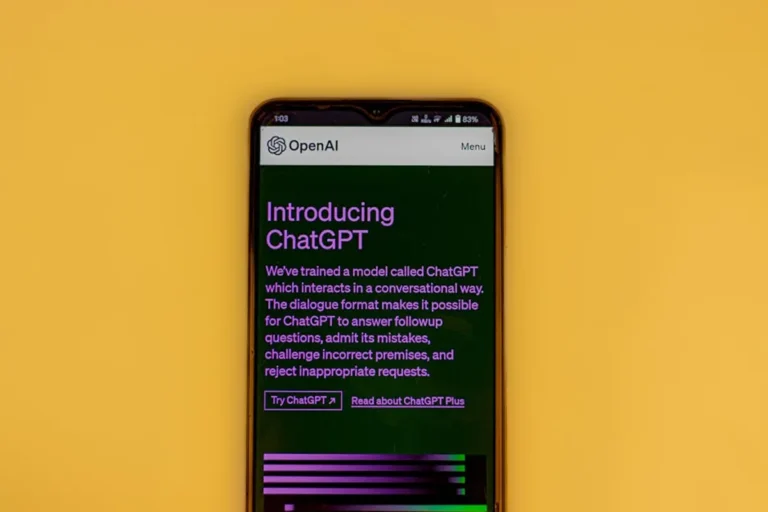
The emergence of Large Language Models (LLMs) and their integration into search interfaces fundamentally alters how brands achieve and measure visibility. Traditional rank tracking, focused on the 10 blue links of a Search Engine Results Page (SERP), now contends with generative answers that synthesize information, often without direct links back to original sources. For SEO professionals and marketers, this shift necessitates a new approach: LLM rank tracking, specifically tailored to monitor brand mentions within AI-generated search results. This involves understanding not just if your brand appears, but how it's presented, its sentiment, and the attribution given to your content within these new conversational and summary-driven environments. This involves understanding not just if your brand is visible, but how to monitor brand mentions in AI search effectively.
The Evolution of Search and Brand Visibility
For decades, SEO success was quantifiable by a page's position on Google's SERP. Brand visibility was a direct function of organic rankings, paid placements, and local pack presence. The introduction of LLM-powered search experiences, like Google's Search Generative Experience (SGE), Perplexity AI, or Microsoft Copilot, introduces an intermediary layer. Users receive synthesized answers, often pre-digested, before ever seeing a traditional list of links. This changes the game for brand exposure and reputation management.
From 10 Blue Links to Generative Answers
The traditional search journey involved a user query, followed by a list of ranked results, from which the user selected a link. Generative AI disrupts this by providing a direct answer or summary at the top of the search interface. This summary aims to satisfy the user's intent immediately, potentially reducing the need to click through to external websites. For brands, this means the primary battleground for visibility shifts from securing a top-ranking link to being the authoritative source cited within the AI's generated response, or having your brand mentioned directly within that summary.
Why LLMs Change Brand Mention Dynamics
LLMs are trained on vast datasets, including web content, books, and other digital information. When generating answers, they draw from this knowledge base, often combining information from multiple sources without explicitly linking to each one in the initial summary. This presents a challenge: a brand might be a primary source for a piece of information, yet its mention could be diluted, summarized, or even omitted in the AI's response. Conversely, an LLM might prominently feature a brand if it consistently appears as the most authoritative or frequently discussed entity related to a query. Monitoring these nuances is critical for understanding actual brand presence.
Defining LLM Rank Tracking for Brand Mentions
LLM rank tracking for brand mentions is the systematic process of monitoring how a specific brand, its products, services, or key personnel are referenced, summarized, or cited within AI-generated search results and conversational AI outputs. This goes beyond simple keyword tracking by analyzing the context, sentiment, and prominence of these mentions in synthesized content.
Key metrics include:
- Share of Voice in AI Answers: The percentage of AI-generated responses for relevant queries that explicitly mention or implicitly reference your brand, compared to competitors.
- Sentiment Analysis: The perceived emotional tone (positive, negative, neutral) associated with your brand mentions within AI summaries.
- Attribution and Citation Rate: How frequently your brand's official properties (website, social profiles) are directly cited or linked as a source within the AI's response.
- Prominence Score: How early and centrally your brand is mentioned within an AI-generated paragraph or summary.
Core Components of an LLM Brand Monitoring Strategy
Effective LLM brand mention tracking requires a multi-faceted approach, extending traditional SEO and brand monitoring tactics.
Identifying Relevant AI Search Environments
The first step is to identify where your audience is likely to encounter AI-generated search results. This includes:
- Google's Search Generative Experience (SGE)
- Microsoft Copilot (formerly Bing Chat)
- Perplexity AI
- Custom LLM integrations on third-party platforms
- Voice search assistants leveraging generative AI
Each platform may have different mechanisms for synthesizing information and attributing sources, necessitating tailored monitoring.
Keyword and Query Expansion for Conversational AI
Traditional keyword research focuses on short, transactional, or informational phrases. For LLM environments, the focus shifts to natural language queries, comparative questions, and long-tail conversational prompts. Instead of just "best running shoes," users might ask, "What are the most durable running shoes for trail running, and how do brand X and brand Y compare?" Brand monitoring must expand to capture these more complex, nuanced queries that are likely to trigger generative responses.
Source Attribution and Citation Analysis
A critical differentiator in LLM rank tracking is the analysis of source attribution. While an AI might summarize information from your site, its commercial value is significantly higher if it explicitly cites or links to your brand as the authoritative source. Monitoring which sources LLMs prioritize for specific brand-related queries helps refine content strategy to maximize the likelihood of direct citation.
Sentiment Analysis in Generative Responses
LLMs don't just present facts; they interpret and synthesize information, which can inadvertently convey sentiment. A brand might be mentioned, but if the surrounding context in the AI summary is negative or highlights a competitor's strengths without balance, it impacts brand perception. Analyzing the sentiment of these generative responses provides an early warning system for potential reputational issues or opportunities to refine messaging.
Practical Applications and Business Impact
Integrating LLM brand mention tracking yields tangible business benefits across several functions.
Reputation Management: Proactive identification of negative or misleading brand mentions in AI summaries allows for swift action, whether through content updates, direct engagement, or public relations efforts. This ensures brand narratives remain accurate and positive in the highly visible generative layer of search.
Competitive Intelligence: By monitoring how competitors are positioned in AI-generated answers, businesses gain insights into their perceived strengths, weaknesses, and key differentiators according to LLMs. This informs competitive content strategies and product positioning.
Content Strategy Adaptation: Understanding what types of content LLMs prioritize for brand mentions and citations directly informs content creation. This involves optimizing for clear, factual, and authoritative content that is easily digestible and attributable by AI models, focusing on direct answers and comprehensive topic coverage.
Pro Tip: Focus on schema markup and structured data for critical brand information. LLMs often leverage structured data to build their knowledge graphs and generate accurate, attributable answers. Ensure your brand's official site uses appropriate schema for products, services, company information, and reviews to increase the likelihood of prominent and accurate AI mentions.
Implementing LLM Brand Mention Tracking
Implementing a robust LLM brand mention tracking system involves a combination of specialized tools and strategic analysis.
Currently, dedicated LLM rank tracking platforms are emerging, often leveraging AI themselves to query various generative search environments and analyze the output. These tools typically perform automated queries, extract AI-generated text, identify brand mentions, and conduct sentiment analysis. For organizations with in-house development capabilities, API integrations with LLMs or custom scripting can automate the querying and data extraction process. Regardless of the toolset, establishing clear baselines for brand mentions and defining Key Performance Indicators (KPIs) is essential to measure progress and demonstrate ROI.
Establishing Baselines and KPIs: Before implementing changes, document current brand mention frequency, sentiment, and attribution rates within AI search for a set of core queries. KPIs might include: a 15% increase in positive brand mentions in AI summaries within six months, or achieving direct citation for 30% of key product queries in SGE within a year. These metrics provide a quantifiable measure of success in the evolving search landscape.
Adapting to the Generative Search Landscape
The shift to LLM-powered search is not a temporary trend but a fundamental evolution in how users access information. For brands, this means moving beyond traditional SEO metrics to embrace a more nuanced understanding of online visibility. LLM rank tracking for brand mentions is an essential discipline for maintaining brand presence, managing reputation, and ensuring that your brand's narrative is accurately and prominently represented in the generative answers that increasingly define the search experience. Proactive adaptation to these changes will differentiate brands that thrive in the new AI-driven information ecosystem. LLM rank tracking for brand mentions is an essential discipline for maintaining brand presence, managing reputation, and ensuring that your brand's narrative is accurately and prominently represented in the generative answers that increasingly define the search experience and how to measure brand presence in AI answers.
Frequently Asked Questions
What is the primary difference between traditional rank tracking and LLM rank tracking?
Traditional rank tracking monitors website positions in a list of links, while LLM rank tracking analyzes how a brand is mentioned, summarized, or cited within AI-generated direct answers and conversational search results.
Why is source attribution important in LLM brand tracking?
Direct source attribution in AI-generated answers validates your brand's authority, drives qualified traffic, and reinforces trust, as users are more likely to engage with content explicitly cited by the AI.
Can negative brand mentions in AI search harm my business?
Yes, negative or inaccurate brand mentions in AI-generated summaries can significantly impact reputation and consumer perception, as these answers are often presented as authoritative and may reduce the likelihood of users seeking further information.
What kind of content performs best for LLM brand mentions?
Content that is factual, authoritative, well-structured, comprehensive, and uses clear language, often enhanced with schema markup, tends to be favored by LLMs for inclusion and citation in generative answers.