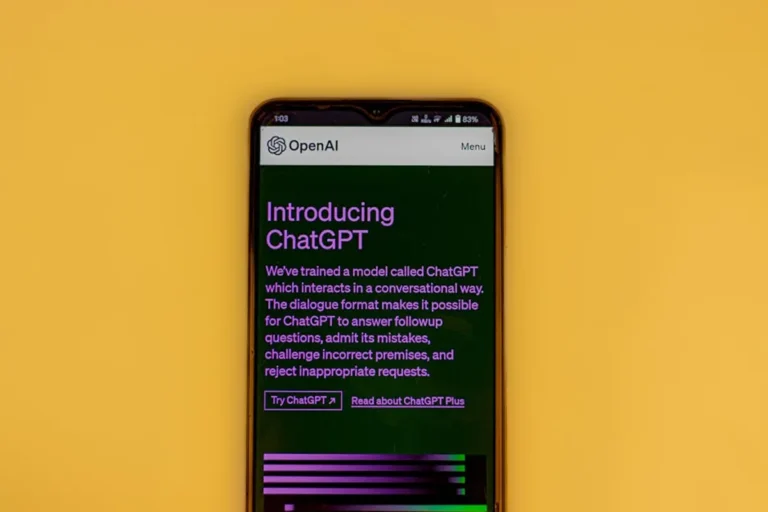
As AI-driven search experiences become more prevalent, the definition of "brand visibility" is shifting. It’s no longer solely about securing a top organic ranking for a specific keyword; it's increasingly about how your brand is cited, summarized, and recommended within generative AI outputs. For businesses, this means understanding not only if their brand is mentioned, but also the context, sentiment, and accuracy of those mentions in AI-generated answers. Ignoring this shift means ceding valuable conversational real estate to competitors who actively manage their brand's presence in these new environments. This involves understanding not just the presence of your brand, but also the exact context and accuracy of how brand presence is measured in AI answers.
Understanding Brand Mentions in AI Search Environments
Brand mentions in AI search extend beyond direct keyword matches. They encompass instances where an AI model, such as Google's Search Generative Experience (SGE) or Microsoft's Copilot, synthesizes information and includes your brand as a relevant entity, solution, or source. This can manifest as:
- Direct Citations: The AI explicitly names your brand when answering a query, often linking back to your site or a relevant third-party source.
- Implied Associations: Your brand is presented as a leading example or a significant player within a product category or industry, even without a direct call-out.
- Comparative Context: The AI includes your brand in comparisons, weighing its features or benefits against competitors.
- Summary Inclusions: Key attributes or offerings of your brand are integrated into a broader summary of a topic, product, or service category.
Unlike traditional SERPs where visibility is measured by position, AI search visibility is about being deemed authoritative and relevant enough for the AI to *choose* to mention you. This often means your brand is recognized as a distinct entity with established expertise and trustworthiness, not just a collection of keywords.
Identifying Key Data Sources for AI Search Mentions
Tracking brand mentions in AI search presents a unique challenge: there isn't a single, consolidated dashboard. AI models pull from vast datasets, and their outputs are dynamic. Therefore, monitoring requires a multi-pronged approach focused on the primary platforms where generative AI is integrated into search:
Google's Search Generative Experience (SGE): When active, SGE provides AI-generated snapshots at the top of the SERP. These summaries often include direct links or implicit mentions of brands deemed relevant to the query. Regular manual checks for high-value queries are essential here.
Microsoft Bing Chat / Copilot: Integrated into Bing search and Windows, Copilot generates conversational responses that can include brand recommendations or information. Monitoring this requires specific prompting strategies to elicit brand-related output.
Third-Party AI Assistants (e.g., Perplexity AI, ChatGPT with browsing): While not strictly "search engines," these tools synthesize web information and can influence user perception. Brands should observe how they are referenced when users pose questions about products, services, or industries.
Strategies for Tracking Brand Mentions in AI Search
Manual Monitoring & Prompt Engineering
The most direct method involves systematically interacting with AI search interfaces. This is labor-intensive but provides immediate, qualitative insights. Develop a comprehensive list of queries relevant to your brand, products, services, and industry. These should include:
- Direct brand queries (e.g., "What is [Your Brand Name]?")
- Product/service queries (e.g., "Best [Product Category]," "Reviews for [Your Product]")
- Comparative queries (e.g., "[Your Brand] vs. [Competitor Brand]")
- Problem-solution queries where your brand is a potential solution (e.g., "How to solve [common problem] with [Your Brand's solution type]")
Run these queries across different AI platforms, record the outputs, and note every instance of your brand being mentioned. Pay attention to the context, sentiment, and any sources cited.
Leveraging Existing Monitoring Tools (with caveats)
While no tool directly monitors AI model outputs in real-time across all platforms, certain existing solutions can offer indirect insights:
Social Listening Tools: Platforms like Brandwatch or Talkwalker monitor web pages, forums, and social media. If an AI-generated answer is then quoted, discussed, or published on a monitored web property, these tools might pick it up. They do not, however, monitor the AI model's internal generation process.
News Monitoring Services: Similar to social listening, these services track mentions across news sites and publications. If an AI model references an article that mentions your brand, and that article is then discussed or re-published, these tools can flag it.
The critical limitation is that these tools react to *published content*, not the live, dynamic outputs of AI models. They can help track the *impact* of AI mentions if those mentions lead to public discourse, but not the initial AI generation itself.
Analyzing AI Search Snippets
When you encounter a brand mention in an AI snapshot or response, detailed analysis is crucial. Track the following data points:
- Platform: Which AI interface (SGE, Copilot, Perplexity, etc.) generated the mention?
- Query: What specific prompt or search query led to the mention?
- Mention Type: Was it a direct citation, an implied association, or part of a comparison?
- Sentiment: Was the mention positive, neutral, or negative?
- Accuracy: Was the information presented about your brand correct and up-to-date?
- Context: In what context was your brand mentioned? Was it relevant to the query?
- Source (if applicable): Did the AI cite a specific source for the information about your brand?
Pro Tip: Implement a consistent logging system for your AI search mention data. A simple spreadsheet can track query, platform, date, mention type, sentiment, and any suggested improvements. This structured approach allows you to identify trends and prioritize optimization efforts over time.
Improving Brand Mentions for AI Search Visibility
Enhancing your brand's presence in AI search requires a strategic focus on foundational SEO principles, but with an AI-specific lens.
Enhance Entity Recognition
AI models rely heavily on understanding entities – real-world objects, people, organizations, and concepts. To be recognized as an authoritative entity:
- Implement Structured Data: Use Schema.org markup (Organization, Product, Review, Article, etc.) to explicitly define your brand and its attributes to search engines. This provides clear signals for AI models.
- Consistent NAP Information: Ensure your Name, Address, and Phone number are consistent across your website, Google Business Profile, and all online directories. Inconsistencies can confuse AI models.
- Build a Knowledge Panel: A robust Google Knowledge Panel signals strong entity recognition. This is often achieved through a Wikipedia page, consistent brand presence, and authoritative citations.
Content Strategy for AI Synthesis
AI models excel at synthesizing information from various sources. Your content should be designed for easy consumption and summarization:
- Directly Answer Questions: Create content that directly and concisely answers common user questions related to your products, services, and industry. Think "People Also Ask" sections on steroids.
- Focus on E-E-A-T: Demonstrate Experience, Expertise, Authoritativeness, and Trustworthiness. Publish content from recognized experts, back claims with data, and ensure factual accuracy. AI models prioritize credible sources.
- Develop Comprehensive Cornerstone Content: Create in-depth guides, ultimate resources, or detailed product pages that cover a topic exhaustively. This provides a rich dataset for AI models to draw upon when summarizing.
Cultivate Positive Online Sentiment & Reviews
AI models often incorporate sentiment analysis into their outputs. A strong positive reputation can lead to favorable mentions:
- Actively Solicit Reviews: Encourage customers to leave reviews on platforms like Google Business Profile, industry-specific review sites, and your own website.
- Manage Online Reputation: Respond professionally to all reviews, positive or negative. Address customer concerns publicly to demonstrate responsiveness and commitment to satisfaction.
- Generate Positive Press: Secure mentions in reputable industry publications and news outlets. Positive third-party endorsements contribute significantly to an AI model's perception of your brand.
- Earn Editorial Links: Focus on acquiring links from genuinely authoritative sites within your niche. These are often earned through exceptional content, unique data, or industry leadership.
- Brand Mentions (without links): Even unlinked brand mentions on high-authority sites contribute to entity recognition and overall brand prominence, signaling to AI models that your brand is noteworthy.
Secure Authoritative Backlinks & Citations
Backlinks from high-authority, relevant websites remain a critical signal for both traditional SEO and AI models. They indicate trustworthiness and importance:
Sustaining Your Brand's Presence in AI Search
Maintaining strong brand visibility in AI search is an ongoing process. Regularly review your AI mention data to identify new opportunities or areas for improvement. Adapt your content strategy based on how AI models are interpreting and presenting information about your brand. As AI search capabilities evolve, staying informed about new features and best practices will be crucial for competitive advantage. This iterative approach ensures your brand remains a recognized, trusted, and frequently cited entity within the expanding landscape of AI-driven information retrieval.
Frequently Asked Questions
How often should I check for AI brand mentions?
For critical queries and high-priority products, daily or weekly checks are advisable due to the dynamic nature of AI outputs. For broader industry terms, monthly or quarterly reviews can suffice. Consistency is more important than frequency.
What's the biggest challenge in tracking AI brand mentions?
The primary challenge is the lack of a centralized, comprehensive tool to monitor all AI search outputs. This necessitates a combination of manual prompt engineering and indirect monitoring through existing web listening tools, making data collection labor-intensive.
Does traditional SEO still matter for AI search mentions?
Absolutely. Traditional SEO principles like high-quality content, strong technical foundations, E-E-A-T, and authoritative backlinks are foundational. AI models ingest and synthesize information from the web, and a well-optimized web presence makes it easier for them to discover, understand, and cite your brand accurately.
Can negative mentions in AI search be removed?
Direct removal of AI-generated content is generally not possible as AI models synthesize information from existing web content. The strategy involves addressing the root cause of the negative sentiment on the web, improving your overall online reputation, and publishing authoritative, positive content that can eventually outweigh or correct inaccurate negative portrayals in AI summaries.