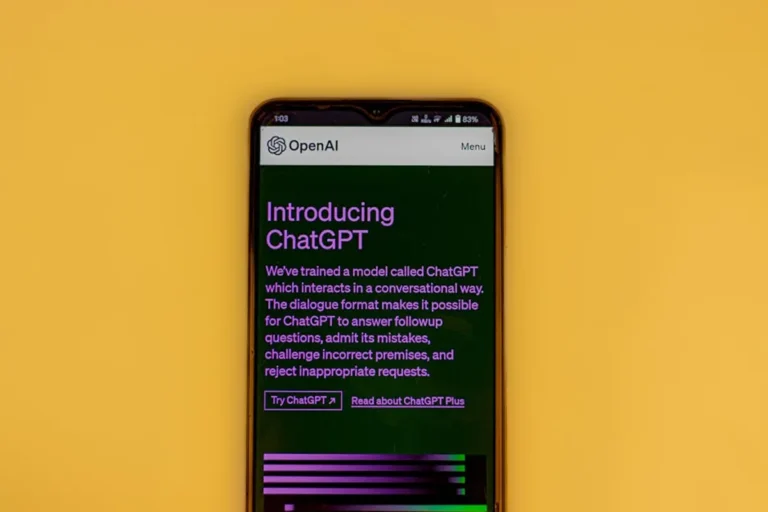
As AI tools become increasingly integrated into information retrieval and content generation, understanding when and how these systems reference your website is critical for digital publishers and SEO professionals. AI citation tracking moves beyond traditional backlink monitoring, focusing on direct textual references, data points, or conceptual acknowledgments made by large language models (LLMs) and AI-powered search interfaces. This practice offers a unique lens into your content's perceived authority and relevance within the evolving AI ecosystem, presenting both attribution challenges and strategic opportunities for content development and visibility. This offers a proactive approach to LLM rank tracking by monitoring brand mentions in AI search.
The Commercial Imperative of AI Citation Tracking
Tracking AI citations is not merely an academic exercise; it provides direct commercial value by revealing how AI systems interpret and disseminate information from your domain. Unlike a traditional backlink, an AI citation may not directly drive referral traffic in the same way, but it signals content authority and can influence how users receive information attributed to your brand. This insight is crucial for several reasons:
- Attribution and Brand Recognition: When an AI tool cites your site as a source, it validates your content's accuracy and expertise. Monitoring these instances helps ensure proper attribution, reinforcing your brand's position as a reliable information provider.
- Content Performance Insights: Discovering which specific articles, data points, or analyses are frequently cited by AI can highlight your most authoritative and impactful content. This data informs future content strategy, allowing you to double down on successful topics and formats.
- Strategic Content Opportunities: AI citations can reveal gaps in your content or areas where your site is uniquely positioned to answer complex queries. If AI frequently pulls specific facts but struggles to synthesize broader concepts, it indicates an opportunity to create more comprehensive, AI-friendly content.
- Reputation Management: Identifying instances where AI misinterprets or misattributes your content allows for proactive correction, safeguarding your brand's accuracy and authority.
- Indirect SEO Value: While not a direct ranking factor, content frequently cited by AI tools suggests high relevance and quality. This can indirectly contribute to better organic visibility as search engines continue to integrate AI-driven results and value authoritative sources.
Defining AI Citations: What to Look For
An AI citation can manifest in various forms, requiring a nuanced tracking approach. It’s not always a direct link or a clear "source" button, though these are ideal. Consider these types of references:
- Direct Quotes: Exact phrases or sentences copied verbatim from your site. These are the easiest to track using precise keyword monitoring.
- Paraphrased Information: Content reworded by the AI, but clearly derived from your original text. Tracking this requires more sophisticated natural language processing (NLP) capabilities.
- Factual References: Specific data points, statistics, or unique insights attributed to your site, even if the surrounding text is entirely AI-generated.
- Conceptual Attribution: When an AI response aligns closely with a unique framework, theory, or approach developed and published on your site, even without direct textual overlap. This is the most challenging to track but indicates deep influence.
- Direct Source Links: Some AI tools, particularly those integrated into search engines, explicitly link back to source material. These are functionally similar to traditional backlinks but originate from an AI interface.
Methods for Identifying AI Citations
Tracking AI citations requires a combination of manual vigilance and automated monitoring, adapting to the evolving landscape of AI tools.
Manual Monitoring of AI Interfaces
For initial exploration and qualitative analysis, direct interaction with popular AI tools is essential:
- AI-Powered Search Engines: Regularly query AI-integrated search interfaces (e.g., those offered by major search providers) using keywords relevant to your niche and specific content. Observe how these tools summarize information and whether your site appears as a source.
- Generative AI Platforms: Experiment with prominent generative AI models, asking questions that your content is designed to answer. Pay attention to how these models formulate responses and if they implicitly or explicitly reference your domain.
- Perplexity AI and Similar Tools: Tools designed to provide sourced answers are particularly valuable for manual review, as they often list their references directly.
Warning: Manual monitoring is resource-intensive and not scalable for comprehensive tracking. It serves best for identifying trends and validating automated methods.
Automated Tracking and Content Analysis
To scale citation tracking, integrate automated solutions that can process vast amounts of data:
Keyword and Phrase Monitoring:
Best for: Identifying direct quotes and specific factual references.
Utilize brand monitoring platforms or custom scripts to track exact phrases, unique statistics, or distinctive terminology from your content across the web. While these tools primarily scan web pages, their reach often includes content generated by AI and published on various platforms, or they can be adapted to monitor specific AI output feeds if available.
Brand Mention Tracking:
Best for: General brand recognition and attribution.
Implement tools that monitor mentions of your brand name or domain across the internet. Although not specific to AI citations, an increase in mentions correlated with AI tool usage can indicate your content is being processed and referenced.
Content Similarity and Plagiarism Detection Tools:
Best for: Detecting paraphrased content and potential unattributed usage.
While primarily designed for academic or editorial integrity, these tools can be adapted to scan AI-generated text against your own content database. Configure them to identify high textual similarity, which could indicate paraphrasing or direct derivation.
API Integrations for Content Analysis:
Best for: Advanced, large-scale analysis of AI output (requires technical expertise).
For highly technical teams, integrating with APIs offered by AI platforms (where available and permissible) could allow for programmatic analysis of AI responses. This enables real-time monitoring and detailed content comparison against your site's data. Alternatively, custom web scraping solutions can be developed to collect AI-generated content from public interfaces for later analysis.
Pro Tip: Focus on tracking unique data, proprietary research, or distinctive turns of phrase from your content. Generic information is harder to attribute definitively to your site, whereas specific contributions stand out more clearly in AI outputs.
Leveraging AI Citation Data for Strategic Advantage
Once you begin identifying AI citations, the next step is to translate this data into actionable insights:
- Refine Content Strategy: Prioritize creating more content around topics that AI frequently references. This indicates high demand for authoritative information in those areas. Conversely, if AI struggles to summarize or cite your content, it might signal a need for clearer, more concise writing.
- Optimize for AI Consumption: Structure your content with clear headings, bullet points, and summary boxes. This "AI-friendly" formatting makes it easier for models to extract and cite specific facts or sections. Implement schema markup where appropriate to provide structured data that AI can readily consume.
- Promote Cited Content: Highlight the fact that your content is being used as a source by AI tools. This can be a powerful trust signal for your human audience and reinforces your expertise.
- Address Misattributions: If AI tools consistently misinterpret or fail to attribute your content, consider reaching out to the platform providers (if a clear channel exists) or adjusting your content to be unequivocally clear about its origin and key takeaways.
Actionable Steps for Site Owners
Implementing an AI citation tracking strategy requires a structured approach. Begin with these steps:
- Inventory Unique Content: Identify your most authoritative articles, proprietary data, unique research, and distinctive viewpoints. These are your primary candidates for AI citation.
- Establish Baseline Monitoring: Start with manual checks on key AI platforms using specific queries related to your inventory. This provides initial qualitative data.
- Implement Automated Tracking: Deploy keyword monitoring and brand mention tools. Configure them to look for your brand name, domain, and unique phrases from your content.
- Regularly Analyze Findings: Dedicate time weekly or bi-weekly to review any identified citations. Categorize them by type (direct quote, paraphrase, factual reference) and by the AI tool that cited them.
- Adapt and Iterate: The AI landscape is dynamic. Continuously adjust your tracking methods, keywords, and content strategy based on new AI capabilities and how they interact with your site.
Frequently Asked Questions
Why is AI citation tracking important for SEO?
AI citation tracking is important for SEO because it indicates your content's perceived authority and relevance within AI systems, which increasingly influence search results. While not a direct ranking factor, being cited by AI suggests high-quality, authoritative content, which can indirectly improve organic visibility and reinforce brand trust.
How do I know if an AI tool is citing my website?
You can identify AI citations through manual checks on AI-powered search engines and generative AI platforms, looking for direct links or textual references. Automated methods involve using brand monitoring tools, keyword trackers for unique phrases, and content similarity detectors to scan AI outputs against your site's content.
Can AI citations directly drive traffic to my site?
Some AI tools, particularly those integrated into search interfaces, may provide direct source links that can drive referral traffic. However, many AI citations are textual references or summaries without direct links. The primary value often lies in enhanced brand recognition, content validation, and insights for future content strategy, rather than immediate traffic generation.
What should I do if an AI tool misattributes or misinterprets my content?
If an AI tool misattributes or misinterprets your content, first review your content for clarity and consider optimizing it for better AI consumption (e.g., clear summaries, structured data). If the issue persists and a channel exists, you might consider providing feedback to the AI platform developer, though direct correction mechanisms are still evolving.