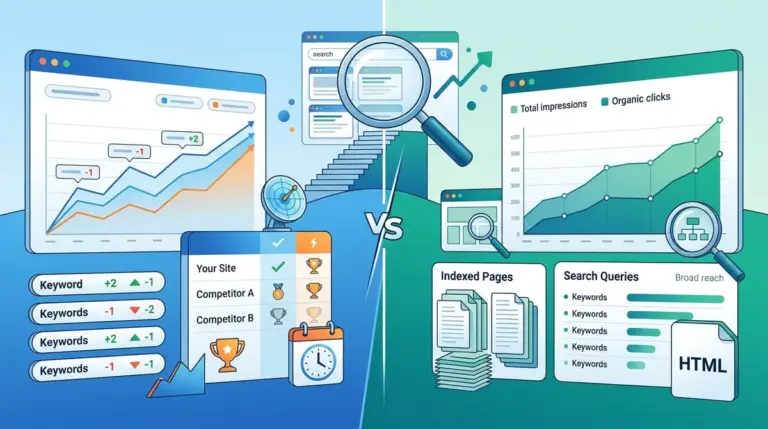
For many SEO professionals and marketers, budget constraints are a constant reality, making the strategic selection of tools paramount. While premium platforms offer extensive feature sets, a robust collection of free online tools exists that can significantly enhance digital marketing efforts without incurring direct costs. These tools are not merely entry-level options; they provide foundational data, actionable insights, and critical diagnostic capabilities essential for developing and refining SEO and content strategies. Understanding what these free resources offer and how to integrate them effectively can empower teams to execute core tasks, identify opportunities, and diagnose issues, ultimately driving informed decision-making and measurable organic growth.
Foundational Tools for Keyword Research and Content Strategy
Keyword Discovery and Volume Estimation
Effective keyword research underpins all successful SEO and content initiatives. Free tools offer a starting point for uncovering relevant terms and understanding their search demand. Google Keyword Planner, while primarily designed for paid advertising campaigns, provides access to keyword ideas, historical search volume data, and competitive metrics. This data, when interpreted for organic purposes, helps identify high-potential terms and assess market demand before significant content investment. Complementary tools, often with limited free tiers, can offer additional long-tail variations and related queries, expanding the scope of initial research.
Best for: Identifying initial keyword targets, understanding search volume trends, and gauging competitive landscape for specific queries.
Content Readability and SEO Optimization
Beyond keyword integration, content quality and technical optimization are crucial. Free browser extensions and website plugins assist in evaluating content for readability, keyword density (where relevant), and basic on-page SEO elements. Tools embedded within content management systems, such as free versions of popular SEO plugins, offer real-time feedback on title tags, meta descriptions, heading structure, and internal linking opportunities. They help ensure content is both user-friendly and search engine accessible, adhering to best practices for on-page optimization.
Best for: Real-time on-page SEO checks, improving content structure, and assessing readability scores before publication.
Technical SEO and Site Performance Analysis
Site Audits and Crawlability Checks
A technically sound website is fundamental for search engine visibility. Google Search Console is indispensable here, providing direct communication from Google regarding a site's indexing status, crawl errors, security issues, and core web vitals performance. It highlights specific pages with issues, offers insights into how Google perceives the site, and allows for sitemap submissions and URL inspection. For deeper technical audits, free desktop crawlers (often with URL limits) can simulate a search engine bot, identifying broken links, redirect chains, duplicate content, and missing metadata across a site's architecture.
Best for: Diagnosing indexation problems, identifying crawl errors, and monitoring overall site health from Google's perspective.
Page Speed and User Experience Metrics
Page load speed and overall user experience are critical ranking factors. Google PageSpeed Insights analyzes web page content and suggests optimizations to make pages load faster. It provides both lab data (simulated performance) and field data (real user experience) for mobile and desktop, offering specific recommendations for improving Core Web Vitals. Similarly, browser developer tools offer a wealth of information for debugging front-end performance issues, network requests, and rendering bottlenecks directly from the user's perspective.
Best for: Pinpointing specific performance bottlenecks, understanding real-world user experience metrics, and receiving actionable optimization suggestions.
Competitive Insights and Backlink Analysis
Competitor Traffic and Content Gaps
Understanding competitor strategies can inform your own. While comprehensive competitor analysis often requires premium tools, free options provide basic insights. Google Trends allows for comparing the popularity of search terms over time, revealing seasonal trends and identifying emerging topics. Limited free versions of competitive analysis platforms can offer a snapshot of competitor organic traffic estimates, top-performing content, and keyword rankings, helping to uncover content gaps or areas where competitors are gaining traction.
Best for: Tracking industry trends, comparing brand or topic popularity, and identifying basic competitor content strategies.
Link Profile Evaluation
Backlinks remain a significant ranking factor. Free backlink checkers, often provided as limited versions of larger platforms, allow users to analyze a small number of backlinks for any URL. These tools can reveal the number of referring domains, anchor text distribution, and the general quality of incoming links. While not exhaustive, they offer enough data to perform quick checks on competitor link profiles or to monitor a site's own basic link acquisition efforts, helping to identify potential spammy links or discover new linking opportunities.
Best for: Basic backlink profile assessment, identifying referring domains, and spotting potentially harmful links.
Pro Tip: Free tools often provide a limited data set or a snapshot in time. To maximize their utility, integrate insights from multiple free sources. For instance, combine keyword ideas from Google Keyword Planner with content performance data from Google Search Console and technical audit findings from a free crawler. This cross-referencing helps build a more complete picture and validates findings, compensating for the inherent limitations of any single free resource.
Maximizing Impact with Free Tools
The true power of free SEO and marketing tools lies in their strategic combination and consistent application. A structured workflow that integrates data collection, analysis, and action from these diverse resources can yield significant results. Begin by establishing clear objectives for each task, whether it's identifying new keyword opportunities, fixing site errors, or monitoring competitor activity. Regularly review the data provided by Google Search Console and Analytics to track performance and identify new issues or opportunities. Utilize the insights from keyword and content tools to refine editorial calendars and on-page optimization efforts. While free tools may lack the automation and depth of paid subscriptions, their consistent application offers a cost-effective pathway to foundational SEO excellence and informed marketing decisions.
Frequently Asked Questions About Free SEO Tools
Are free SEO tools accurate enough for serious marketing efforts?
Free tools provide foundational data and actionable insights that are often accurate enough for initial research, diagnostics, and ongoing monitoring, especially for small to medium-sized businesses or new projects. Their accuracy can vary, but critical tools like Google Search Console and Google Analytics provide direct, reliable data from Google itself.
What are the main limitations of using only free SEO tools?
Limitations typically include data caps, restricted feature sets (e.g., fewer keyword suggestions, limited backlink data), lack of advanced automation, and less comprehensive competitive analysis. They might also offer less historical data or fewer customization options compared to paid platforms.
Can free tools help with local SEO?
Yes, tools like Google Business Profile (formerly Google My Business) are entirely free and crucial for local SEO. They allow businesses to manage their online presence across Google Search and Maps, respond to reviews, and post updates, directly impacting local visibility.
How often should I use these free tools?
Usage frequency depends on the tool and your objectives. Google Search Console and Analytics should be checked regularly (weekly or bi-weekly) for performance monitoring and error detection. Keyword research and content optimization tools might be used during specific project phases, while page speed checks should be performed after significant site updates.