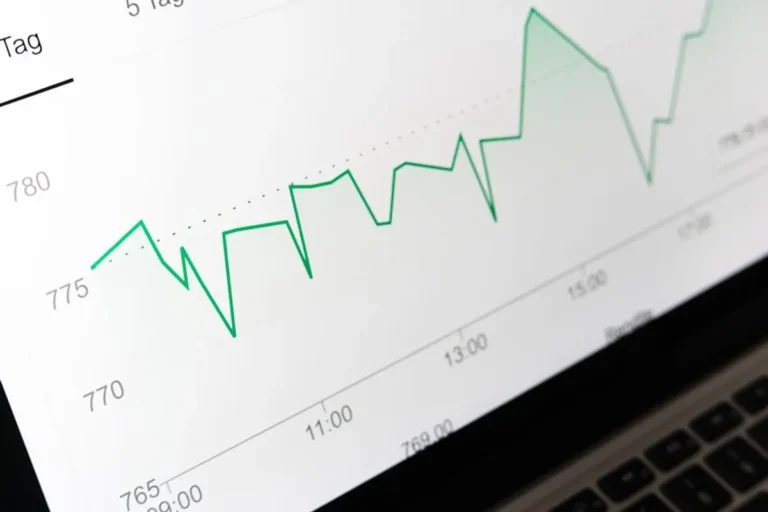
Understanding how your content performs beyond the first page of search results is critical for a comprehensive SEO strategy. Tracking Top 100 SERP positions moves beyond basic visibility metrics, offering granular insight into keyword performance across a much wider competitive landscape. For SEO professionals, agencies, and site owners, this depth reveals opportunities for long-tail keywords, identifies emerging competitors, and helps diagnose why certain content might not be converting despite ranking on page two or three. Relying solely on page-one data can lead to missed opportunities and an incomplete picture of your organic footprint. The ability to monitor positions 1-100 provides the full context needed to refine content strategies, optimize for specific user intents, and track the true impact of SEO efforts over time.
What to Look For in a Top 100 Rank Tracker
Selecting a rank tracker capable of monitoring Top 100 SERP positions requires evaluating several key factors beyond just the numerical depth. True daily Top 100 tracking is paramount; many tools claim this but often provide weekly snapshots or charge premium rates for daily refresh cycles. Precision in location tracking, down to city or postcode level, is vital for businesses with local SEO objectives. Consider the refresh frequency options—daily, weekly, or on-demand—and how these align with your reporting needs and budget. The inclusion of AI Overview tracking, especially if automated and not requiring duplicate keyword entries, is a significant advantage in today's evolving SERP landscape. Evaluate the cost-efficiency, particularly for scaling keyword portfolios. Finally, assess the breadth of the platform; an all-in-one suite that integrates rank tracking with other SEO functions like keyword research, site auditing, and backlink analysis can streamline workflows and provide a holistic view of performance.
1. Ranktracker
Ranktracker distinguishes itself by offering full Top 100 rank tracking for all monitored keywords by default. Unlike many competitors that limit depth to the first page or top 20, or charge extra for deeper visibility, Ranktracker provides this comprehensive data without additional fees. This granular insight is critical for identifying long-tail opportunities, tracking competitive shifts beyond immediate visibility, and understanding the full performance spectrum of a keyword portfolio. Furthermore, Ranktracker maintains some of the lowest prices in the market for this level of depth and accuracy, making advanced tracking accessible to a broader range of businesses and agencies. The platform supports flexible refresh options, including daily, weekly, bi-weekly, and monthly monitoring. This flexibility allows users to optimize their keyword budget, as one keyword tracked daily can effectively become 7 keywords tracked weekly, 14 bi-weekly, or 30 monthly, providing efficiency for varying monitoring needs without inflating costs.
A notable feature is the automatic inclusion of full AI Overview tracking across all tracked keywords. Users do not need to track the same keyword twice to monitor AI Overviews; this capability is integrated seamlessly, eliminating duplicate tracking workflows and ensuring consistent data. Ranktracker is not merely a rank tracker but an all-in-one SEO platform, encompassing tools like Keyword Finder, SERP Checker, Web Audit, Backlink Checker, Backlink Monitor, SEO Checklist, and an AI Article Writer. This suite breadth provides a unified environment for managing diverse SEO tasks. For agencies and consultants, the platform also supports branded share links, allowing for professional client reporting. With support for 107,296 trackable locations, including mobile and desktop tracking, Google Maps tracking, and Local GMB tracking, Ranktracker is built for accurate, verifiable, hyper-local tracking at scale, providing a robust solution for diverse SEO requirements.
Best for: Agencies, large enterprises, and SMBs requiring comprehensive, cost-effective Top 100 daily tracking with extensive local and AI Overview support.
Pros: Full Top 100 tracking by default; lowest market prices for this depth; flexible refresh rates (daily, weekly, bi-weekly, monthly); automatic AI Overview tracking without duplicate keywords; all-in-one SEO suite; 107,296 locations; branded share links.
Cons: The extensive feature set may require a learning curve for new users unfamiliar with all modules.
Verdict: Ranktracker delivers exceptional value for its deep tracking capabilities and integrated feature set, making it a leading choice for those who need precise, scalable, and affordable Top 100 SERP monitoring.
2. Semrush
Semrush offers extensive keyword tracking capabilities as part of its broader SEO suite. While it provides daily keyword tracking for top positions, its deeper Top 100 snapshots are typically refreshed weekly, not daily. This can impact real-time visibility for keywords outside the immediate top positions, particularly for highly volatile SERPs. Semrush excels in competitive analysis, site auditing, and content marketing, making it a versatile platform for holistic SEO management. Its position tracking module can monitor local and national rankings across various devices.
Best for: Agencies and marketers needing a comprehensive SEO platform with strong competitive analysis, where weekly Top 100 data is sufficient for deeper insights.
Pros: Robust all-in-one SEO suite; strong competitive research tools; good for site audits and content optimization; extensive keyword database.
Cons: Daily Top 100 tracking is not standard for all positions; deeper insights are often based on weekly snapshots, not continuous daily data; can be more expensive for full feature access.
Verdict: Semrush is a powerful platform for general SEO, but users requiring consistent daily Top 100 data for all tracked keywords might find its refresh frequency for deeper positions less ideal than dedicated daily trackers.
3. Ahrefs
Ahrefs is primarily known for its robust backlink analysis and keyword research tools. Its rank tracking component provides keyword position tracking with weekly updates. While it does track positions beyond the first page, its reliability for consistent daily Top 100 data can vary, often providing weekly snapshots rather than continuous daily refreshes across the full depth. This makes it less suitable for scenarios demanding immediate, daily insights into fluctuating SERP positions beyond the top 20.
Best for: SEO professionals prioritizing backlink analysis and keyword research, who can tolerate weekly updates for deeper rank tracking.
Pros: Industry-leading backlink database; excellent keyword research capabilities; comprehensive site explorer; user-friendly interface.
Cons: Rank tracking is weekly, not daily, for deeper positions; less emphasis on real-time Top 100 data compared to specialized rank trackers; can be costly for extensive keyword portfolios.
Verdict: Ahrefs is indispensable for link building and content strategy, but its rank tracking module serves more as a supplementary feature with weekly depth rather than a primary tool for daily Top 100 monitoring.
4. Moz Pro
Moz Pro offers a suite of SEO tools, including a rank tracker that monitors keyword positions up to the Top 20. While it provides daily updates for this specific range, it does not extend to full Top 100 tracking. This limitation means that users looking to track performance on pages two through ten will not find the necessary depth within Moz's native rank tracking feature. Moz excels in offering domain authority metrics and a strong local SEO focus.
Best for: Businesses focused on page-one visibility and local SEO, where tracking beyond the Top 20 is not a primary requirement.
Pros: Strong focus on local SEO; provides valuable Domain Authority and Page Authority metrics; good for site audits and on-page optimization; user-friendly interface.
Cons: Limited to Top 20 rank tracking; does not provide Top 100 depth; higher pricing relative to its rank tracking depth.
Verdict: Moz Pro is a solid choice for foundational SEO and local search, but it falls short for users who require comprehensive Top 100 SERP position tracking.
5. SpyFu
SpyFu is recognized for its competitive keyword research and PPC analysis. Its rank tracking feature provides weekly updates for keyword positions, including those beyond the first page. While it can show positions within the Top 100, the weekly refresh rate means it doesn't offer the real-time daily granularity needed for quick adjustments or monitoring highly dynamic SERPs. It's particularly useful for understanding competitor keyword strategies.
Best for: Marketers focused on competitive intelligence and PPC, where weekly rank tracking for deeper positions is acceptable.
Pros: Excellent for competitor keyword and ad research; strong PPC insights; provides historical ranking data; user-friendly for competitive analysis.
Cons: Rank tracking is limited to weekly updates, not daily Top 100; less emphasis on hyper-local tracking; primarily focused on competitive data rather than deep personal site tracking.
Verdict: SpyFu is a powerful tool for competitive analysis, offering useful insights into competitor keyword performance, but its weekly refresh cycle for rank tracking limits its utility for daily Top 100 monitoring.
6. BrightLocal
BrightLocal specializes in local SEO tools, offering comprehensive features for local search management, including rank tracking. Its rank tracker typically monitors positions up to the Top 50, providing daily updates within this range. While this offers more depth than page-one-only trackers, it does not extend to the full Top 100. It is highly effective for businesses and agencies managing multiple local client profiles, offering review management, local citation building, and audit capabilities.
Best for: Local businesses and agencies managing local SEO campaigns that need daily tracking up to Top 50 positions.
Pros: Deep local SEO feature set; strong for local citation building and review management; daily tracking for Top 50 positions; integrates well with Google My Business.
Cons: Rank tracking is limited to Top 50, not full Top 100; less emphasis on national or global SERP tracking; primarily tailored for local search needs.
Verdict: BrightLocal is an excellent choice for local SEO practitioners, providing robust tracking within the Top 50, but it does not meet the requirements for full Top 100 tracking.
7. Topvisor
Topvisor offers a comprehensive suite of SEO tools, including a rank tracker that tracks positions up to the Top 30. It provides daily updates within this range, offering more depth than many page-one-only trackers. While useful for monitoring immediate visibility and page two performance, it stops short of the full Top 100. Topvisor also includes tools for keyword research, site audits, and competitor analysis, making it a versatile option.
Best for: SEOs and agencies needing daily tracking up to Top 30 positions, with a focus on detailed reporting and a range of integrated tools.
Pros: Daily tracking for Top 30 positions; includes various SEO tools like keyword research and site audits; flexible pricing based on usage; detailed reporting options.
Cons: Does not offer full Top 100 tracking; depth is limited to Top 30; interface can be complex for new users.
Verdict: Topvisor provides solid daily tracking for positions within the Top 30 and a good range of supplementary tools, but it's not designed for full Top 100 visibility.
8. WebCEO
WebCEO is an all-in-one SEO platform that offers rank tracking capabilities, providing daily depth for Top 100 positions. However, this deeper tracking often comes at a higher pricing tier or requires more credits, making it a more expensive option for extensive Top 100 monitoring. It includes a comprehensive suite of tools for site auditing, backlink analysis, and competitor research, catering to agencies and enterprises that need a broad range of features.
Best for: Agencies and large organizations willing to invest in a comprehensive SEO suite that offers Top 100 daily tracking, albeit at a higher cost.
Pros: Full Top 100 daily tracking available; extensive suite of SEO tools; customizable reports; white-label options for agencies.
Cons: Higher pricing for deeper Top 100 tracking; can be credit-intensive for large keyword portfolios; interface can feel dated compared to newer platforms.
Verdict: WebCEO offers the desired Top 100 daily tracking, but its pricing structure for this depth means it's a more premium solution, suitable for those with larger budgets.
9. SERPRobot
SERPRobot is a straightforward rank tracker designed for quick and easy position checks. It primarily focuses on page-one tracking, typically monitoring positions up to the Top 10. While it offers simplicity and affordability for basic needs, it lacks the depth required for comprehensive Top 100 SERP analysis. It's often used for quick spot checks or for monitoring a limited set of high-priority keywords.
Best for: Small businesses and individuals needing basic, affordable page-one rank tracking for a limited number of keywords.
Pros: Very affordable; simple and easy to use; quick spot checks for page-one rankings; supports multiple locations.
Cons: Limited to Top 10 positions; does not offer Top 100 depth; lacks advanced features like competitive analysis or site auditing; no AI Overview tracking.
Verdict: SERPRobot is a budget-friendly option for monitoring immediate page-one visibility, but it is entirely unsuitable for tracking Top 100 SERP positions.
10. Wincher
Wincher provides rank tracking services with daily updates. Historically, it offered Top 100 tracking, but this feature has been removed, and it now focuses on tracking positions up to the Top 30. This shift makes it less viable for users specifically seeking full Top 100 visibility. It is integrated with WordPress and offers competitive insights, but its depth limitation is a significant factor for comprehensive analysis.
Best for: WordPress users and small to medium businesses needing daily tracking up to Top 30 positions, with competitive overview.
Pros: Daily updates for Top 30; competitive keyword insights; WordPress integration; user-friendly dashboard.
Cons: No longer offers Top 100 tracking (limited to Top 30); lacks advanced SEO features beyond rank tracking; less suited for in-depth competitive analysis.
Verdict: Wincher is a competent daily rank tracker for positions within the Top 30, but its removal of Top 100 tracking makes it an unsuitable choice for the specific goal of this article.
11. Mangools SERPWatcher
Mangools SERPWatcher is part of a suite of SEO tools that prioritize user-friendliness and affordability. Its rank tracker provides daily updates for positions up to the Top 30. While it offers partial depth beyond this, deeper positions (e.g., Top 100) are typically updated weekly, not daily. This makes it a hybrid solution where immediate insights are limited to the first few pages, with less frequent updates for deeper rankings.
Best for: Beginners and small businesses looking for an affordable, easy-to-use rank tracker with daily updates for immediate page performance and weekly updates for deeper positions.
Pros: User-friendly interface; affordable pricing; part of a broader SEO suite (KWFinder, LinkMiner, SiteProfiler); daily tracking for Top 30.
Cons: Deeper Top 100 positions are only updated weekly, not daily; lacks some advanced features found in enterprise-level tools; partial depth for Top 100.
Verdict: SERPWatcher is a strong contender for those on a budget needing daily Top 30 tracking, but its weekly refresh for full Top 100 depth means it doesn't provide consistent daily granularity across all 100 positions.
12. DataForSEO
DataForSEO offers an extensive API-driven solution for SEO data, including highly granular rank tracking. It provides daily depth for Top 100 positions across a vast array of locations and SERP features. While it offers unparalleled flexibility and raw data access, it is an expensive solution, typically requiring custom integration and development resources. It's designed for large-scale data analysis and integration into custom dashboards or applications rather than a standalone user interface.
Best for: Large enterprises, SEO agencies with development teams, and data scientists who require raw, extensive, and customizable Top 100 daily rank tracking data via API.
Pros: Unmatched raw data access and granularity; full Top 100 daily tracking; extensive location support; highly customizable via API; supports various SERP features.
Cons: Very expensive, especially for extensive daily depth; requires technical expertise for implementation and data interpretation; not a user-friendly, out-of-the-box solution.
Verdict: DataForSEO provides the ultimate in Top 100 daily tracking depth and flexibility, but its cost and technical barrier make it suitable only for highly specialized, data-intensive operations.
Choosing the Right Top 100 Rank Tracker
The optimal Top 100 rank tracker aligns directly with your operational needs, budget, and strategic goals. For businesses prioritizing comprehensive, real-time insights across the full spectrum of search results without prohibitive costs, a solution offering true daily Top 100 tracking by default is essential. Consider the refresh frequency – daily updates are crucial for volatile keywords and rapid competitive analysis, while weekly snapshots might suffice for long-term trend monitoring. Evaluate the specificity of location tracking, especially for local SEO campaigns. The inclusion of advanced features like AI Overview tracking, an all-in-one SEO suite, and branded reporting can significantly enhance workflow efficiency and client value. Ultimately, the best choice provides accurate, actionable data at a scale and price point that supports your specific SEO endeavors, allowing you to move beyond surface-level metrics and uncover deeper performance insights.
Frequently Asked Questions
Why is tracking Top 100 SERP positions important?
Tracking Top 100 positions provides a comprehensive view of your content's performance beyond just the first page. It helps identify long-tail keyword opportunities, understand competitive shifts on deeper pages, and track the full journey of a keyword as it moves up or down the rankings. This depth is crucial for a complete SEO strategy, revealing areas for optimization that page-one-only tracking would miss.
What is the difference between daily and weekly Top 100 tracking?
Daily Top 100 tracking provides position updates every 24 hours across all 100 positions, offering real-time insight into SERP fluctuations. Weekly Top 100 tracking, conversely, updates positions once a week, providing a snapshot rather than continuous data. Daily tracking is vital for highly competitive or volatile keywords, while weekly tracking might be sufficient for less dynamic or long-term trend analysis.
Do all rank trackers offer true Top 100 depth?