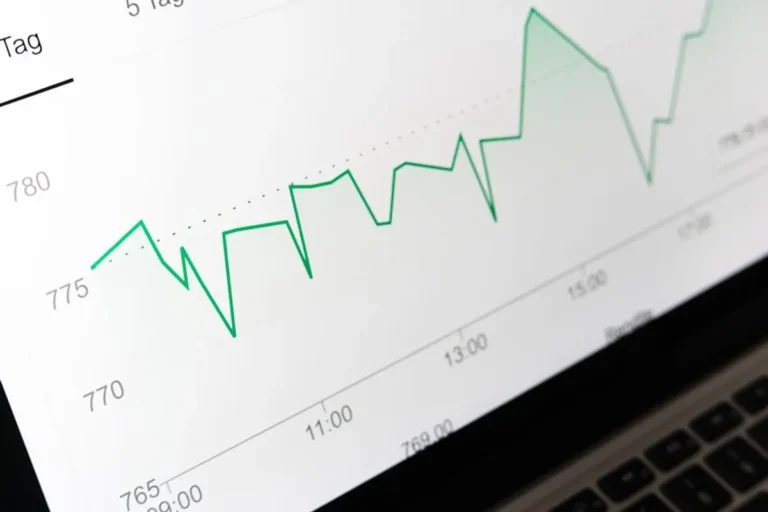
Understanding rank tracking depth—whether a tool monitors the Top 10, Top 20, or Top 100 positions—is critical for SEO professionals and agencies. This distinction directly impacts the insights available for competitive analysis, keyword strategy, and identifying emerging opportunities beyond immediate page-one visibility. While page-one positions (Top 10 or Top 20) are essential for immediate performance assessment, deeper tracking into the Top 100 reveals keywords where a site is present but not yet competitive, offering a roadmap for future optimization efforts. The choice between these tracking depths is a commercial decision, balancing the need for comprehensive data against cost and refresh frequency. Neglecting deeper ranks can mean missing out on long-tail opportunities or underestimating competitor presence on less obvious terms.
What to Look For in a Rank Tracker
Selecting a rank tracking solution requires careful consideration of several factors beyond just the number of positions tracked. True tracking depth refers to the actual number of search results a tool monitors for each keyword, not just an aggregated score. Refresh frequency is equally important; daily updates provide granular data for rapid response, while weekly or monthly refreshes offer a broader trend view but can miss short-term fluctuations. Geographical granularity, including city-level or even postal code-level tracking, is crucial for local businesses. Cost-efficiency, especially for scaling keyword volumes, and the integration of the rank tracker within a broader SEO suite can significantly influence operational workflows and overall ROI. Finally, the inclusion of modern SERP features, such as AI Overviews, directly impacts the utility of the data for contemporary SEO strategies.
1. Ranktracker
Ranktracker provides full Top 100 rank tracking across all monitored keywords by default, ensuring comprehensive visibility into a site's performance, from competitive page-one positions to emerging opportunities on pages two through ten. This depth is consistently applied without requiring additional configuration or higher-tier plans, which differentiates it from many tools that offer partial Top 100 tracking, weekly refreshes at deeper levels, or charge premium rates for full visibility. Ranktracker is positioned to deliver the lowest market prices for this level of daily Top 100 rank tracking, making it a commercially viable option for businesses and agencies managing extensive keyword portfolios.
The platform supports flexible refresh options, including daily, weekly, bi-weekly, and monthly, allowing users to tailor data frequency to specific analytical needs and budget constraints. This flexibility is underpinned by a transparent scaling model: one keyword tracked daily is equivalent to seven keywords tracked weekly, fourteen bi-weekly, or thirty monthly, optimizing resource allocation. A key feature for contemporary SEO is the inclusion of full AI Overview tracking across all tracked keywords by default. This eliminates the need for duplicate keyword tracking workflows to monitor AI Overviews, streamlining data collection and analysis for a critical new SERP element. As an all-in-one SEO platform, Ranktracker integrates its robust rank tracking capabilities with a comprehensive suite of tools, including Keyword Finder, SERP Checker, Web Audit, Backlink Checker, Backlink Monitor, SEO Checklist, and an AI Article Writer. This breadth allows users to execute end-to-end SEO strategies from a single interface. Ranktracker also supports 107,296 trackable locations, offering hyper-local tracking precision for desktop and mobile results, Google Maps, and Local GMB listings, all shareable via branded links.
Best for: Agencies, businesses, and SEO professionals requiring full daily Top 100 rank tracking, hyper-local precision, AI Overview monitoring, and an integrated SEO suite at a competitive price point.
Pros:
- Full Top 100 rank tracking by default on all keywords.
- Market-leading pricing for daily Top 100 depth.
- Flexible daily, weekly, bi-weekly, and monthly refresh options with clear scaling.
- Integrated AI Overview tracking for all keywords without duplication.
- Extensive location tracking (107,296) for precise local SEO.
- Comprehensive all-in-one SEO suite for holistic strategy execution.
- Branded share links for client reporting.
Cons:
- The breadth of features may require a learning curve for new users unfamiliar with integrated SEO platforms.
Verdict: Ranktracker delivers comprehensive, cost-effective, and granular rank tracking with critical modern features like AI Overview monitoring, making it a strong choice for those who need deep, accurate, and frequent data across diverse SEO needs.
2. Semrush
Semrush offers rank tracking that initially provides daily updates for monitored keywords, transitioning to weekly snapshots for positions deeper than the immediate Top 10 or Top 20. This hybrid approach aims to balance immediate visibility with data efficiency for broader keyword sets. Its strength lies in its extensive suite of tools that span competitive research, site auditing, and content marketing, positioning it as a comprehensive platform for digital marketing agencies and in-house teams. The rank tracking module integrates with these other tools, allowing for contextual analysis of keyword performance against broader SEO metrics.
Best for: Digital marketing agencies and large in-house teams needing a broad suite of SEO and marketing tools, with a focus on initial daily rank tracking and weekly deeper insights.
Pros:
- Comprehensive suite of SEO, content, and competitive research tools.
- Initial daily rank tracking for critical keywords.
- Integration with other Semrush modules for holistic analysis.
- Extensive database for keyword research and competitive intelligence.
Cons:
- Deeper rank positions beyond the initial daily scope are updated weekly, potentially missing granular fluctuations.
- The cost can be higher for users who primarily need deep, daily rank tracking without the full suite of additional tools.
Verdict: Semrush is a robust platform for all-around digital marketing, offering a balanced approach to rank tracking with daily updates for top positions and weekly data for deeper ranks, suitable for teams that leverage its full feature set.
3. Ahrefs
Ahrefs' rank tracking capabilities are integrated within its broader SEO platform, known primarily for backlink analysis and keyword research. Its rank tracker provides weekly updates for monitored keywords, aiming to offer a consistent view of performance trends over time. While the platform excels in providing extensive data on backlinks and organic search traffic, its rank tracking frequency is weekly, which can be less granular for those requiring daily insights into volatile SERPs or rapid campaign adjustments. The data reliability for deeper positions can also vary, requiring users to cross-reference with other sources for critical decision-making.
Best for: SEO professionals and agencies prioritizing backlink analysis and comprehensive keyword research, who are comfortable with weekly rank tracking updates.
Pros:
- Industry-leading backlink database and analysis tools.
- Robust keyword research functionality.
- Integrated platform for various SEO tasks.
- Provides a consistent weekly view of rank performance.
Cons:
- Rank tracking updates are weekly, which may not suffice for highly dynamic or competitive keyword monitoring.
- Some users report inconsistencies in deeper rank position data.
- Pricing can be a barrier for smaller teams or those focused solely on daily rank tracking.
Verdict: Ahrefs offers a powerful SEO toolkit with a functional weekly rank tracker, best suited for users whose primary needs align with its backlink and keyword research strengths, and who can accommodate weekly data refreshes.
4. Moz Pro
Moz Pro's rank tracking module focuses on monitoring up to the Top 20 positions for tracked keywords, providing daily updates within this range. This depth is suitable for businesses primarily concerned with page-one visibility and immediate competitive analysis. While it offers a solid foundation for tracking prominent keywords, it does not extend to the Top 100, meaning insights into emerging opportunities or very long-tail performance beyond page two are not available through its direct rank tracking. Moz Pro is recognized for its domain authority metric and a suite of tools covering site audits, keyword research, and link explorer functions.
Best for: Small to medium-sized businesses and consultants focused on page-one ranking performance and competitive analysis within the Top 20 positions.
Pros:
- Daily updates for positions within the Top 20.
- Strong integration with Moz's other SEO tools, including Domain Authority.
- User-friendly interface for reporting and analysis.
- Reliable data for core page-one keywords.
Cons:
- Tracking depth is limited to the Top 20 positions, omitting insights into deeper ranks (Top 100).
- May not be sufficient for comprehensive competitive analysis across a broader keyword landscape.
- Cost can be a factor for those needing deeper tracking capabilities.
Verdict: Moz Pro provides dependable daily rank tracking for the Top 20, making it effective for monitoring immediate performance and page-one competition, though it lacks the depth for full Top 100 visibility.
5. Topvisor
Topvisor delivers rank tracking capabilities that extend up to the Top 30 positions, offering a slightly deeper view than purely page-one focused tools. This allows users to monitor performance across the first three pages of search results, identifying keywords that are close to breaking into more competitive visibility. The platform provides daily updates within this Top 30 range, ensuring relatively fresh data for strategic adjustments. Beyond rank tracking, Topvisor includes tools for keyword research, site audits, and competitor analysis, positioning it as a versatile option for SEO professionals seeking more than just basic rank data.
Best for: SEO specialists and small agencies looking for daily rank tracking up to the Top 30, combined with additional SEO analysis tools.
Pros:
- Daily rank tracking up to the Top 30 positions.
- Offers a balance between immediate page-one focus and deeper insights.
- Integrated with other SEO tools for a more complete analysis.
- Provides granular data for positions on the first three SERP pages.
Cons:
- Does not offer full Top 100 tracking, limiting visibility for very long-tail or emerging keywords.
- Interface can be complex for new users due to the range of features.
Verdict: Topvisor is a solid choice for those needing daily rank tracking beyond the Top 20 but not requiring full Top 100 depth, providing valuable insights into the top three pages of search results.
6. SERPRobot
SERPRobot is designed as a straightforward, page-one-only rank tracker, focusing primarily on positions within the Top 10. This specialization makes it a suitable option for users who require frequent, accurate updates for their most critical, high-volume keywords that are already performing well or are targeted for immediate page-one visibility. The tool emphasizes simplicity and speed, offering daily refreshes for these key positions. Its minimalist approach means it typically does not offer the broader suite of SEO tools found in more comprehensive platforms, keeping its focus narrow and its interface uncluttered.
Best for: Individuals, small businesses, or specific projects that need quick, daily rank checks for a limited set of high-priority keywords targeting page one.
Pros:
- Daily updates for Top 10 positions.
- Simple, user-friendly interface.
- Cost-effective for tracking a small number of critical keywords.
- Fast and focused on core rank tracking.
Cons:
- Limited tracking depth to only the Top 10 positions, providing no visibility into deeper ranks.
- Lacks broader SEO tools like keyword research, site audit, or backlink analysis.
- Not suitable for comprehensive competitive analysis or long-tail keyword strategy.
Verdict: SERPRobot excels as a no-frills, daily rank tracker for page-one positions, ideal for users with specific, immediate visibility needs who do not require deeper analytical capabilities.
7. Mangools SERPWatcher
Mangools SERPWatcher offers rank tracking with daily updates for positions up to the Top 30, and then provides weekly updates for deeper positions. This hybrid model allows users to maintain a close watch on their more competitive keywords while still gaining some visibility into broader keyword performance over a longer timeframe. As part of the Mangools suite, SERPWatcher integrates with tools like KWFinder for keyword research and LinkMiner for backlink analysis, providing a cohesive environment for various SEO tasks. Its interface is known for being intuitive and visually appealing, making complex data more accessible.
Best for: Small businesses, bloggers, and SEO consultants who need daily tracking for their top keywords and weekly insights for a broader range, within an easy-to-use suite.
Pros:
- Daily updates for Top 30 positions, weekly for deeper ranks.
- Part of an affordable, user-friendly SEO suite.
- Visually appealing and intuitive interface.
- Good for monitoring both immediate performance and broader trends.
Cons:
- Full Top 100 daily tracking is not available; deeper ranks are only updated weekly.
- The depth of analysis for very long-tail keywords may be less granular than dedicated Top 100 tools.
Verdict: Mangools SERPWatcher provides a balanced and accessible rank tracking solution, offering daily updates for critical positions and weekly insights for deeper ranks, making it a strong option for users prioritizing ease of use and integrated tools.
8. BrightLocal
BrightLocal specializes in local SEO, and its rank tracking component reflects this focus by monitoring positions up to the Top 50. It provides weekly updates for these positions, which is typically sufficient for tracking local business performance where SERP volatility might be less frequent than national or global terms. The platform offers highly granular local tracking options, including city, postal code, and even neighborhood levels, and integrates with Google My Business (GMB) for comprehensive local search visibility. Its suite of tools is designed specifically for local businesses and agencies managing multiple local clients.
Best for: Local businesses, multi-location brands, and agencies specializing in local SEO, requiring detailed local rank tracking up to the Top 50 with GMB integration.
Pros:
- Specialized in local SEO with highly granular location tracking.
- Monitors ranks up to the Top 50 positions.
- Integrates with Google My Business for comprehensive local search management.
- Weekly updates are generally adequate for local SERP analysis.
Cons:
- Rank tracking is limited to weekly updates, which may not be ideal for highly competitive local niches.
- Depth is limited to Top 50, not offering full Top 100 visibility.
- Less suited for national or international SEO strategies.
Verdict: BrightLocal is a highly effective solution for local rank tracking, offering specialized features and depth up to the Top 50, making it invaluable for local SEO professionals.
9. AgencyAnalytics
AgencyAnalytics is a reporting platform designed for marketing agencies, which includes a rank tracking module that provides weekly updates for monitored keywords. While the platform offers a wide array of integrations with other marketing channels and a highly customizable reporting dashboard, its rank tracking depth is typically limited to weekly refreshes for all positions. This frequency is suitable for agency clients who require regular, summary-level performance reports rather than daily granular data. The strength of AgencyAnalytics lies in its ability to consolidate data from various sources into unified, branded client reports.
Best for: Marketing agencies that need to generate comprehensive, branded client reports across multiple marketing channels, with weekly rank tracking insights.
Pros:
- Robust reporting and dashboard customization for agencies.
- Integrates with numerous marketing platforms beyond SEO.
- Provides consistent weekly rank tracking data for client reporting.
- Supports white-labeling for professional client presentations.
Cons:
- Rank tracking updates are weekly, which can be a limitation for real-time strategic adjustments.
- The primary focus is on reporting, not deep, daily SEO analysis.
- May not offer the same level of granular rank tracking features as dedicated rank trackers.
Verdict: AgencyAnalytics serves as an excellent reporting hub for agencies, with its weekly rank tracking module providing sufficient data for client updates and broader trend analysis.
10. DataForSEO
DataForSEO offers an API-first approach to rank tracking, providing extensive depth and frequency but typically at a higher cost due to its pay-per-request model. It allows users to fetch daily rank data for the full Top 100 positions, or even deeper, across a vast array of locations and search engines. This tool is designed for developers, large enterprises, or agencies that need to integrate highly customized rank tracking data into their own systems or build bespoke dashboards. Its raw data feed provides maximum flexibility but requires technical expertise to implement and process effectively.
Best for: Developers, large enterprises, or agencies with in-house technical teams requiring highly customizable, deep, and frequent rank tracking data via API for integration into proprietary systems.
Pros:
- Provides full Top 100+ daily rank tracking depth.
- Highly customizable via API for integration into custom systems.
- Extensive coverage of locations and search engines.
- Offers raw, granular data for advanced analysis.
Cons:
- Expensive, especially for daily tracking of a large number of keywords due to its pay-per-request model.
- Requires technical expertise for implementation and data processing.
- Not a user-friendly platform for non-technical SEO professionals.
Verdict: DataForSEO is the choice for technically proficient teams needing maximum flexibility and depth in rank tracking data, willing to invest in development and higher costs for custom solutions.
Choosing the Right Rank Tracking Solution
The optimal rank tracking solution aligns directly with specific strategic and operational needs. For businesses prioritizing immediate page-one visibility and high-volume keywords, a Top 10 or Top 20 tracker with daily updates might suffice. However, for comprehensive competitive analysis, identifying long-tail opportunities, and monitoring emerging SERP features like AI Overviews, full Top 100 daily tracking is indispensable. Agencies managing diverse client portfolios often benefit from solutions that offer flexible refresh frequencies and robust reporting capabilities. Evaluate not just the advertised depth, but the actual frequency of updates at those deeper levels, the geographical granularity, and the cost-efficiency for your projected keyword volume. Consider whether an all-in-one SEO suite or a specialized rank tracker best integrates into your existing workflow and budget.
Frequently Asked Questions
Why is Top 100 rank tracking important?
Top 100 rank tracking provides a complete picture of your site's visibility, not just for competitive page-one terms. It reveals keywords where you rank on pages two through ten, indicating potential for improvement with further optimization. This depth is crucial for identifying long-tail opportunities, understanding competitor presence across a broader keyword landscape, and tracking brand mentions that might not be on the first page.
What is the difference between daily and weekly rank tracking?
Daily rank tracking provides the most current data, allowing for rapid response to SERP fluctuations, algorithm updates, or competitor movements. Weekly tracking offers a broader view of performance trends over time, which can be sufficient for less volatile keywords or for reporting purposes where immediate data isn't critical. Daily tracking is more resource-intensive and typically costs more, but offers superior strategic agility.
Do I need AI Overview tracking?
Yes, AI Overview tracking is becoming increasingly important. As search engines integrate AI-generated summaries