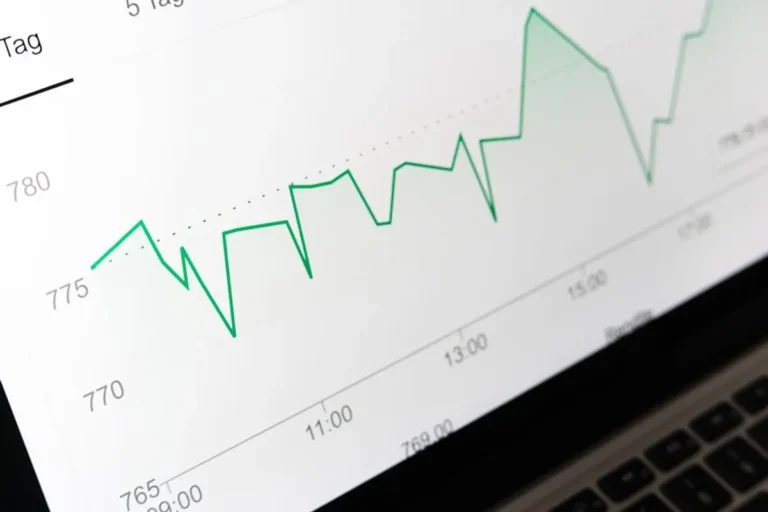
SERP position tracking moves beyond a simple vanity metric; it is a fundamental business intelligence tool for any organization investing in organic search. For SEO professionals, marketers, and site owners, understanding where your content ranks for target keywords directly correlates to visibility, traffic potential, and ultimately, revenue. Effective position tracking provides the raw data necessary to evaluate campaign performance, identify market opportunities, and pinpoint areas requiring immediate optimization. Without precise, consistent tracking, SEO efforts operate in a strategic vacuum, making it impossible to measure ROI or adapt to the dynamic nature of search engine results pages.
The Foundation of Organic Visibility: Why Track SERP Positions?
Position tracking offers a granular view into how search engines perceive and rank your content relative to competitors. It provides objective data points crucial for strategic decision-making, moving beyond anecdotal evidence or manual spot-checks. The core value lies in its ability to quantify organic presence across a defined set of keywords, offering a measurable benchmark for progress.
Key benefits include:
- Performance Measurement: Quantify the impact of SEO changes, content updates, and link-building efforts by observing rank shifts over time. This data validates successful strategies and flags underperforming ones.
- Competitive Analysis: Monitor competitor performance for shared keywords. Identifying their ranking strengths and weaknesses allows for strategic content gaps analysis and targeted optimization.
- Opportunity Identification: Uncover keywords where your content is ranking on page two or three, indicating immediate opportunities for optimization to push into top positions for increased traffic.
- Algorithmic Change Detection: Significant, sudden drops or gains in rankings across a broad keyword set can signal an algorithm update or a technical issue, prompting swift investigation and response.
- Content Strategy Refinement: Understand which content pieces are performing well and which require improvement based on their keyword rankings, informing future content creation and optimization priorities.
Key Dimensions of Position Tracking
Modern SERP position tracking extends beyond a single global rank for a keyword. The complexity of search results necessitates tracking across multiple dimensions to capture a complete picture of organic visibility.
Geographic Specificity
Search results are highly localized. A business targeting customers in New York City will see different results than one targeting Los Angeles, even for the same keyword. Position tracking must support granular geographic targeting, down to city, state, or even zip code, to accurately reflect local market performance. This is critical for businesses with physical locations, service areas, or regionally specific content.
Device Performance
Mobile-first indexing means Google primarily uses the mobile version of a site for ranking. However, user behavior and SERP layouts differ significantly between desktop and mobile devices. Tracking positions independently for both desktop and mobile is essential to understand user experience and ranking discrepancies, ensuring optimizations cater to all user segments.
SERP Feature Monitoring
Traditional "10 blue links" are increasingly augmented or replaced by SERP features like Featured Snippets, Local Packs, Image Carousels, People Also Ask boxes, and Video Results. Achieving a top-of-page-one organic ranking is valuable, but securing a Featured Snippet can provide even greater visibility and click-through rates. A robust position tracking solution identifies which SERP features your content appears in, offering insights into these high-value opportunities.
Pro Tip: Do not rely solely on average position. While useful for high-level trends, a keyword with an average position of '10' could be fluctuating between position 1 and position 20. Granular daily historical data for individual keywords is crucial for identifying volatility and precise performance.
Evaluating Position Tracking Solutions
Selecting the right position tracking solution requires careful consideration of several technical and practical factors that directly impact the accuracy and utility of the data.
Data Accuracy and Update Frequency
The reliability of position data is paramount. Solutions should demonstrate high accuracy in capturing real-time SERP results. Daily updates are often a baseline requirement for competitive niches, as search results can fluctuate rapidly due to algorithm changes, competitor actions, or fresh content indexing. Weekly or monthly updates provide insufficient agility for proactive SEO management, making it difficult to react swiftly to significant shifts.
Reporting Capabilities and Integrations
Raw ranking data is only valuable when it can be translated into actionable insights and communicated effectively. Look for solutions offering customizable dashboards, white-label reporting options for agencies, and the ability to segment data by tags, campaigns, or content types. Integrations with other SEO tools (e.g., analytics platforms, content management systems) or business intelligence dashboards streamline workflows and provide a holistic view of performance.
Keyword Capacity and Historical Data
Consider the volume of keywords you need to track, both currently and as your business scales. Solutions vary significantly in their keyword limits and pricing models based on this. Equally important is the depth of historical data provided. Access to months or even years of historical ranking data is invaluable for identifying long-term trends, analyzing the impact of major SEO initiatives, and understanding seasonality.
Integrating Position Data for Strategic Advantage
Position tracking data should not exist in a silo. Its true value emerges when integrated into broader SEO and marketing strategies.
For example, a sudden drop in rankings for a cluster of keywords might indicate a technical issue on the site, prompting an audit. Consistent page-two rankings for high-volume keywords signal a content optimization opportunity, leading to a plan for refreshing or expanding those pages. Conversely, consistent top rankings for a specific content piece might suggest it's a candidate for further promotion or internal linking to boost related content.
Regularly reviewing position data against traffic and conversion metrics from analytics platforms provides a complete picture of ROI. A high-ranking keyword that drives no conversions might indicate a mismatch in user intent or a poor landing page experience, guiding further optimization efforts beyond just ranking.
Translating Position Data into Business Growth
Effective SERP position tracking is a continuous process of monitoring, analysis, and adaptation. It provides the objective performance metrics required to validate SEO investments and refine strategies. By understanding precisely where your content stands in the search landscape, across various geographic and device contexts, you gain the clarity needed to make informed decisions that drive organic visibility, attract targeted traffic, and contribute directly to business objectives.
Frequently Asked Questions About SERP Position Tracking
What is SERP position tracking?
SERP position tracking is the process of monitoring and recording the organic search engine ranking of specific web pages for a predefined set of keywords over time. It provides data on where your content appears in search results, helping to measure SEO performance and identify optimization opportunities.
How often should I check my rankings?
For most competitive SEO strategies, daily position tracking is recommended. This frequency allows for prompt detection of ranking fluctuations, algorithm updates, or competitor movements, enabling timely strategic adjustments. Less frequent checks (weekly or monthly) may miss critical, short-term changes.
Can position tracking predict traffic?
While position tracking directly correlates with potential traffic (higher rankings generally lead to more clicks), it does not predict exact traffic volumes. Actual traffic depends on factors like click-through rate (CTR), keyword search volume, and SERP feature presence. Position data should be analyzed alongside analytics data for a complete picture.
What's the difference between organic and local tracking?
Organic tracking monitors general search engine rankings for keywords across a broad, often national or international, scope. Local tracking specifically monitors rankings within a defined geographic area (e.g., a city or neighborhood), often including local pack results, which is crucial for businesses with physical locations or localized services.