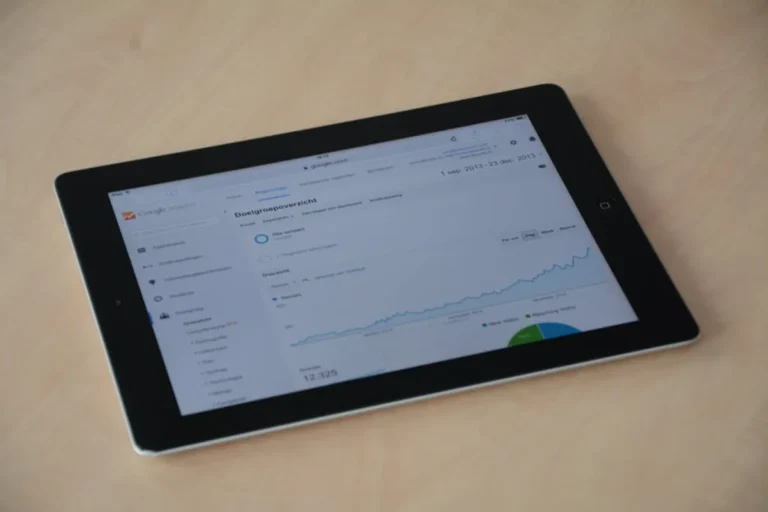
Understanding where a website ranks for its target keywords is not merely a vanity metric; it is a foundational element of any effective SEO strategy. Keyword rank checking provides a direct measure of a site's visibility in search engine results pages (SERPs), offering critical insights into performance, competitive standing, and the efficacy of content and optimization efforts. Without accurate and consistent rank data, marketers operate on assumptions, making it challenging to identify opportunities, diagnose issues, or justify resource allocation. The process of checking keyword positions, however, extends beyond simple manual searches, requiring a nuanced approach to account for search engine personalization and data scale.
The Purpose of Keyword Rank Checking
Keyword rank checking systematically monitors a website's position in search results for a predefined set of keywords. This process serves several key functions:
- Performance Measurement: It quantifies the success of SEO campaigns by showing whether efforts to improve rankings are yielding results.
- Competitive Analysis: Tracking competitor rankings for the same keywords reveals their strategies and identifies gaps or opportunities in your own.
- Content Strategy Validation: Rank data indicates which content pieces are performing well and which require optimization or new development.
- Problem Identification: Significant drops in rankings can signal technical issues, algorithmic updates, or new competitive pressures that require immediate attention.
- Opportunity Discovery: Identifying keywords where a site ranks on page two or three can highlight immediate opportunities for optimization to push pages onto page one.
Methods for Checking Keyword Positions
The approach to checking keyword positions varies significantly based on scale, desired accuracy, and available resources. Each method offers distinct advantages and limitations.
Manual Spot Checks
Manually searching for keywords in a search engine like Google is the simplest way to see a website's position. This method is quick and free for occasional, low-volume checks. However, it is highly unreliable for consistent, accurate tracking due to several factors:
- Personalization: Search engines tailor results based on a user's location, device, search history, and even logged-in status. What one person sees as rank #5, another might see as #10.
- Location Bias: Results vary by geographic location, making a single manual check unrepresentative of a national or international audience.
- Time Consumption: For more than a handful of keywords, manual checks become impractical and inefficient, especially when needing to track positions over time.
- Lack of Historical Data: Manual checks provide only a snapshot, offering no historical context or trend analysis.
Best for: Quick, informal checks for a single keyword or two, primarily for immediate curiosity rather than strategic insight.
Google Search Console Data
Google Search Console (GSC) is a free tool provided by Google that offers valuable insights into a website's performance in Google Search. Within GSC, the "Performance" report shows which queries bring users to a site and the average position of the site for those queries.
GSC provides data on:
- Average Position: An aggregated position for a query over a selected period, not a real-time, exact rank.
- Impressions and Clicks: Indicates how often a site appeared in search results and how many times it was clicked.
- Queries: Lists the actual search terms users entered to find the site.
While GSC is indispensable for understanding overall search visibility and identifying keywords a site already ranks for, it is not a dedicated real-time rank tracker. It doesn't provide daily specific keyword positions, nor does it track competitor rankings directly. The "average position" can be misleading if a page ranks differently for various user segments or over short timeframes.
Best for: Understanding overall organic performance, identifying existing keyword opportunities, and diagnosing broad visibility issues.
Automated Rank Tracking Platforms
For serious SEO efforts, automated rank tracking platforms are the industry standard. These dedicated solutions systematically monitor keyword positions across various search engines, locations, and devices, providing consistent, scalable, and historical data. They overcome the limitations of manual checks and complement the aggregate data from GSC.
Key features of these platforms include:
- Daily/Weekly Updates: Provides fresh data on keyword positions at regular intervals.
- Location & Device Specificity: Allows tracking from specific cities, states, countries, and on desktop or mobile devices, mitigating personalization bias.
- Historical Data & Trend Analysis: Stores past ranking data, enabling the identification of long-term trends, seasonal fluctuations, and the impact of SEO changes.
- Competitor Tracking: Monitors competitor rankings for the same keyword sets, offering direct comparative insights.
- Reporting & Alerts: Generates customizable reports and sends alerts for significant ranking changes.
- Keyword Discovery: Many platforms also include tools for identifying new keyword opportunities.
These platforms simulate user searches under controlled conditions, providing a more objective measure of ranking performance. The consistency of their data allows for reliable analysis and strategic decision-making.
Best for: Professional SEO agencies, in-house marketing teams, and businesses requiring accurate, scalable, and historical rank data for strategic planning and performance measurement.
Pro Tip: When setting up automated rank tracking, always specify the exact geographic location (e.g., "New York City, NY") and device type (e.g., "Mobile") that are most relevant to your target audience. This ensures the data reflects the actual search experience of your users, rather than a generic, less actionable global average.
Interpreting Rank Data for Actionable Insights
Merely knowing a website's rank is insufficient; the value lies in interpreting that data to inform action. Look beyond individual keyword positions and consider:
- Ranking Trends: Is a keyword consistently improving, declining, or fluctuating? Trends reveal the long-term impact of SEO efforts.
- Page-Level Performance: Which specific pages are ranking for which keywords? This helps identify content gaps or opportunities for optimizing existing pages.
- SERP Features: Are you appearing in featured snippets, local packs, or knowledge panels? These can significantly impact visibility even if your organic rank is lower.
- Competitor Movement: If a competitor gains ground, analyze their strategy (content, backlinks, technical SEO) to understand why.
- Keyword Intent: A high rank for a low-intent keyword might be less valuable than a slightly lower rank for a high-intent, commercial keyword.
Integrating Rank Checking into Your SEO Workflow
Consistent keyword rank checking should be an integral part of an ongoing SEO workflow. This involves:
- Defining Target Keywords: Select a focused list of keywords critical to business objectives, including head terms, long-tail variations, and branded terms.
- Establishing Baselines: Record initial rankings to measure future progress accurately.
- Regular Monitoring: Review rank data at least weekly, if not daily, to catch significant changes quickly.
- Correlation with Other Metrics: Cross-reference rank data with traffic, conversions, and GSC data to understand the full impact of ranking changes.
- Actioning Insights: Use the data to prioritize content updates, technical fixes, link building campaigns, or new keyword targeting.
Maximizing Your Keyword Position Tracking
Effective keyword rank checking is a continuous process that provides the data necessary to navigate the dynamic landscape of search engine algorithms and competitive activity. By employing the right methods and consistently analyzing the results, marketers can make informed decisions, refine their strategies, and ultimately drive greater organic visibility and business growth. It moves SEO from a speculative endeavor to a data-driven discipline, ensuring resources are allocated where they will yield the most impactful returns.
Frequently Asked Questions
How often should I check keyword positions?
For most strategic purposes, weekly monitoring is sufficient to observe trends and react to significant changes. Daily tracking is beneficial for highly competitive keywords, during major content launches, or immediately following SEO updates to quickly identify impacts.
Are keyword ranks the only metric I should track?
No. While crucial, keyword ranks are one of several important SEO metrics. Combine rank data with organic traffic, click-through rates (CTR), conversions, bounce rate, and Google Search Console's impressions and clicks for a holistic view of performance.
Why do my manual search results differ from my rank tracker?
Manual search results are heavily influenced by personalization factors like your location, device, search history, and login status. Automated rank trackers typically simulate a "clean" search from a specific, unbiased location and device, providing a more objective and consistent measure for reporting and analysis.
What should I do if my keyword rankings drop significantly?
A significant drop requires immediate investigation. Check for recent website changes (technical issues, content updates), Google algorithm updates, new competitor activity, or manual penalties. Use GSC to look for crawl errors or security issues, and analyze your backlink profile for any sudden losses.