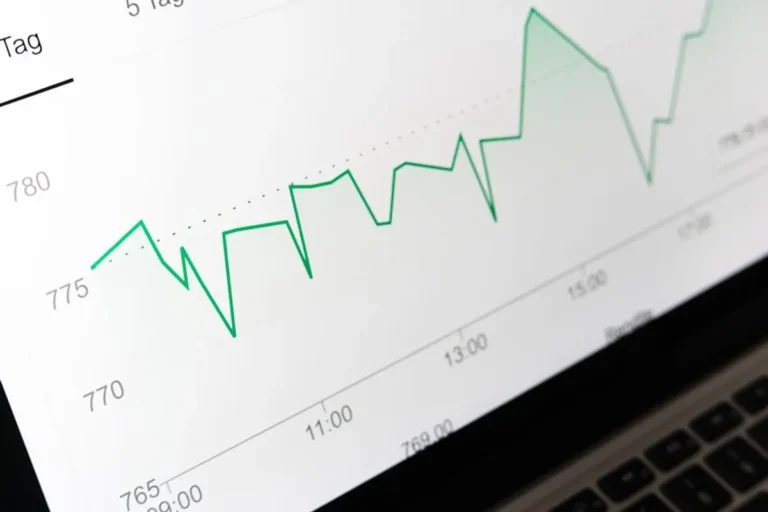
Effective SEO demands a nuanced understanding of how search engines present results across different devices. Tracking keyword rankings solely on desktop, or conversely, only on mobile, provides an incomplete and often misleading picture of organic performance. Google's mobile-first indexing, coupled with distinct user behaviors and SERP layouts, means a keyword ranking #3 on desktop might be #15 on mobile, or vice-versa. This divergence directly impacts visibility, traffic potential, and ultimately, commercial outcomes. For any site owner, marketer, or agency aiming for comprehensive organic search success, monitoring both desktop and mobile keyword positions is not an option but a strategic imperative. This approach reveals specific opportunities and challenges that single-device tracking obscures, allowing for targeted optimization efforts that drive measurable results. Understanding how desktop and mobile rankings differ is key to a complete SEO strategy.
Why Separate Device Tracking is Essential
Understanding the rationale behind tracking desktop and mobile rankings independently clarifies its commercial value:
- Divergent User Experience: Mobile users often search on the go, seeking immediate answers or local information. Their SERP experience is characterized by more prominent local packs, image carousels, and app result integrations. Desktop users, typically in a more focused environment, may see broader organic results and fewer mobile-specific features. These distinct experiences mean a page optimized for desktop might not perform well when presented to a mobile user.
- Algorithm Variations and Mobile-First Indexing: While Google uses a single core algorithm, its mobile-first indexing initiative means the mobile version of a page is primarily used for indexing and ranking decisions. This elevates the importance of mobile usability, page speed, and responsive design as critical ranking signals. A site with poor mobile performance will likely see its mobile rankings suffer, even if its desktop version is robust.
- Commercial Impact and Traffic Segmentation: Significant portions of web traffic originate from mobile devices. If a high-value transactional keyword ranks well on desktop but poorly on mobile, potential revenue is lost due to reduced mobile visibility. Tracking both allows for precise identification of these gaps, enabling targeted optimization to recover lost traffic and conversions from specific device segments.
Setting Up Desktop and Mobile Rank Tracking
Implementing a dual-device tracking strategy requires careful configuration:
Choosing a Rank Tracking Solution
Select a rank tracking platform that offers granular control over device type and geographic location. Key capabilities to look for include:
- Device-Specific Tracking: The ability to track keywords separately for desktop, mobile, and sometimes tablet devices.
- Geo-Targeting Options: Precise location tracking down to country, state, city, or even postal code, crucial for local SEO.
- Daily or On-Demand Updates: Regular data refreshes to monitor ranking fluctuations in near real-time.
- Competitor Monitoring: Tracking competitor rankings on the same keyword sets and devices to benchmark performance.
- Reporting and Alerts: Customizable dashboards, scheduled reports, and notifications for significant ranking changes.
Defining Your Keyword Set
Your keyword list forms the foundation of your tracking efforts. Start with a comprehensive set derived from:
- Google Search Console: Identify existing high-impression, high-click, and high-CTR keywords where your site already has visibility.
- Competitor Analysis: Research keywords your top competitors rank for, especially those you don't currently target.
- Topic Clusters and Intent: Group keywords by user intent (informational, navigational, commercial) and topic to ensure comprehensive coverage. Prioritize high-value, transactional terms that directly contribute to business goals.
Configuring Tracking Parameters
When setting up a new project within your chosen rank tracking solution, pay close attention to these details:
Project Setup:
Specify the exact URL you wish to track.
Select the target country, state, and city relevant to your audience.
Crucially, select both 'desktop' and 'mobile' as distinct tracking profiles for each keyword. Some platforms may allow you to set up separate projects for each device, while others enable device selection within a single project.
Search Engine Selection:
Typically, Google is the primary focus, but consider Bing or other search engines if they represent a significant traffic source for your audience.
Frequency:
Set the tracking frequency to daily for critical keywords and weekly for less volatile terms. Daily tracking provides the most granular data for quick response to algorithm updates or competitor moves.
Pro Tip: Do not average desktop and mobile rankings. Treat them as distinct performance metrics. Averaging obscures critical device-specific insights and can lead to misallocated optimization resources. A keyword ranking #2 on desktop and #30 on mobile does not average out to a healthy #16; it indicates a significant mobile visibility problem that needs direct attention.
Analyzing Discrepancies and Opportunities
Once data accumulates, the critical step is analysis. Look for significant ranking disparities between desktop and mobile for your target keywords:
- Identifying Performance Gaps: Pinpoint keywords that rank well on one device but poorly on the other. For example, a keyword ranking in the top 5 on desktop but outside the top 20 on mobile signals a clear area for mobile optimization.
- Content Optimization for Mobile: If mobile rankings lag, investigate mobile usability issues such as Core Web Vitals (LCP, FID, CLS), touch target sizes, font legibility, and responsive design implementation. Ensure your content is easily consumable on smaller screens.
- Local SEO Considerations: Mobile search often carries a stronger local intent. If local pack visibility is low on mobile, review your Google Business Profile optimization, local schema markup, and citation consistency.
- SERP Feature Analysis: Observe which SERP features dominate mobile results for your target keywords. Mobile SERPs frequently feature more carousels, local packs, and visual elements. If featured snippets or image carousels are prominent, tailor your content to capture these opportunities.
Integrating Desktop and Mobile Insights
The objective of tracking both desktop and mobile rankings extends beyond mere data collection; it informs strategic adjustments. Use the insights gleaned from device-specific tracking to:
Prioritize Technical SEO Audits: Direct technical teams to address mobile-specific performance issues, such as slow loading times on mobile networks or non-responsive design elements.
Refine Content Strategy: Adapt content to address device-specific user intent. For instance, mobile users might prefer concise answers or quick navigation, while desktop users might engage with more in-depth articles.
Allocate Resources Effectively: Reallocate budget and effort to areas where the greatest ranking disparities exist. If mobile performance is consistently weaker for high-value keywords, prioritize mobile UX improvements and dedicated mobile content optimization.
Frequently Asked Questions
Why do desktop and mobile rankings often differ?
Differences arise from mobile-first indexing, distinct user behaviors, varied SERP layouts (e.g., more local packs on mobile), and device-specific ranking factors like mobile usability and page speed.
How frequently should I monitor mobile keyword rankings?
For critical, high-volume keywords, daily monitoring is recommended to quickly identify fluctuations. For less volatile or long-tail terms, weekly tracking can suffice.
Does mobile-first indexing make desktop rankings irrelevant?
No, desktop rankings remain relevant. While Google primarily uses the mobile version for indexing, desktop traffic and conversions are still significant. Monitoring both provides a complete picture of your organic visibility.
Can I track local mobile rankings for specific cities?
Yes, most advanced rank tracking solutions allow you to specify geographic locations down to the city or even postal code level for mobile rankings, which is crucial for local SEO strategies.