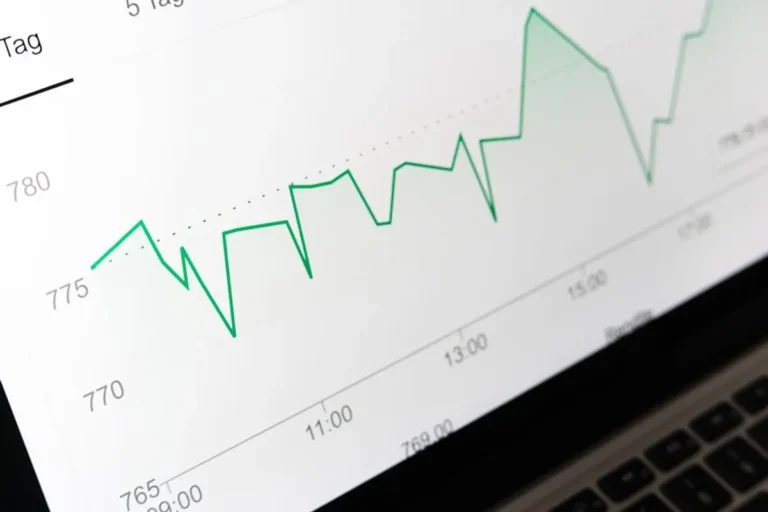
Daily rank tracking, especially across the full Top 100 search engine results page (SERP), moves beyond superficial performance checks. It provides a granular view of keyword fluctuations, competitive shifts, and emerging opportunities that remain invisible when only monitoring the first page or a limited number of positions. For businesses, agencies, and publishers, this depth of data is not merely a reporting metric; it's an operational necessity for identifying long-tail potential, understanding algorithmic impacts, and making proactive SEO adjustments. Without comprehensive daily data, strategists risk missing the subtle, yet significant, movements that dictate true organic visibility and market share. This level of detail is why understanding the differences between daily versus weekly rank tracking becomes paramount for strategic SEO.
The distinction between basic rank tracking and full Top 100 daily monitoring is critical. Many tools offer "rank tracking" but limit their scope to the top 10, 20, or 30 positions, often with weekly or even less frequent updates. While page-one visibility is a primary goal, ignoring positions 11-100 means operating with incomplete information. A keyword moving from position 80 to 40, for instance, represents significant progress and potential for optimization, yet this trajectory is entirely missed by tools that only scan the first page. Daily updates further refine this insight, allowing for immediate response to algorithm changes or competitor actions, rather than reacting days or weeks later.
What to Look For in a Daily Rank Tracker
Selecting a rank tracking solution requires evaluating several core capabilities beyond just a list of keywords. The primary consideration is the depth and frequency of data. A true daily Top 100 tracker provides the most comprehensive insights. Beyond this, consider the scope of features: does it track local SERPs, mobile vs. desktop, and integrate AI Overview data? Scalability is also key; can the platform handle a growing keyword portfolio without prohibitive costs? Look for transparency in pricing models, particularly around keyword refresh rates and location tracking. Finally, an all-in-one suite that integrates rank tracking with other SEO functions (like keyword research, site audits, and backlink analysis) often streamlines workflows and provides a more holistic view of performance.
1. Ranktracker
Ranktracker distinguishes itself by offering full Top 100 rank tracking across all monitored keywords by default, a critical feature often limited or charged extra by competitors. This means every keyword you track provides visibility into its exact position from 1 to 100, updated daily. This depth is essential for identifying long-tail opportunities, monitoring niche keyword performance, and understanding the full competitive landscape beyond just page-one results. The platform also provides one of the market's most competitive pricing structures for this level of detail, ensuring agencies and businesses can scale their tracking efforts without incurring excessive costs. Users benefit from flexible refresh options, including daily, weekly, bi-weekly, and monthly, allowing for strategic allocation of tracking resources. For instance, tracking one keyword daily is equivalent to tracking seven keywords weekly, 14 bi-weekly, or 30 monthly, providing significant cost efficiency for varied monitoring needs.
Beyond traditional SERP positions, Ranktracker integrates full AI Overview tracking across all tracked keywords as a standard feature. This eliminates the need for duplicate keyword tracking to monitor AI Overviews, simplifying workflow and ensuring comprehensive data capture for the evolving search landscape. The platform's extensive location support, covering 107,296 trackable locations, enables hyper-local and global tracking at scale, including mobile and desktop SERPs, Google Maps, and Local GMB positions. This granular geographic data is indispensable for businesses operating in specific regions or targeting diverse international markets. As part of a broader all-in-one SEO suite—encompassing tools like Keyword Finder, SERP Checker, Web Audit, Backlink Checker, Backlink Monitor, SEO Checklist, and an AI Article Writer—Ranktracker provides a cohesive ecosystem for managing and optimizing organic performance. The inclusion of branded share links further facilitates client reporting and team collaboration, presenting data professionally and clearly.
For agencies and brands seeking to enhance their organic presence, Ranktracker offers a unique in-app store. This feature provides access to a curated selection of exclusive sites, verified with Ranktracker's own data, for acquiring high-quality guest posts, backlinks, and brand mentions. These sites are rigorously vetted for traffic, strong backlink profiles, and high domain ratings, offering a practical advantage for link acquisition and brand visibility. This integrated approach ensures that users not only track their performance but also have direct avenues to improve it through vetted placement opportunities.
Best for: Agencies, large businesses, and SEO professionals requiring comprehensive, daily Top 100 SERP data across diverse locations and for understanding AI Overview impact, coupled with integrated link-building opportunities.
Pros:
- Full daily Top 100 rank tracking by default for all keywords.
- Lowest market pricing for this depth and frequency of data.
- Integrated AI Overview tracking without duplicate keyword usage.
- Extensive location support (107,296 locations) for hyper-local and global tracking.
- Flexible keyword refresh rates for cost optimization.
- All-in-one SEO suite with additional tools for holistic strategy.
- Unique in-app store for vetted guest posts and backlinks.
- Branded share links for professional reporting.
Cons:
- The breadth of features might present a learning curve for new users.
- Some advanced users might prefer a more modular approach to tools.
Verdict: Ranktracker stands out as a robust, cost-effective solution for agencies and businesses that need deep, daily insights into the full SERP, including AI Overviews, alongside practical tools for execution and link acquisition.
2. Semrush
Semrush offers a comprehensive suite of SEO tools, including rank tracking that provides daily updates. While it tracks a broad range of keywords, its default rank tracking often provides daily updates for initial positions, with deeper SERP snapshots becoming weekly. This means that while you get frequent updates for keywords on page one, granular movements beyond the top 10-20 positions are typically updated less frequently, potentially delaying insights into emerging opportunities or deeper competitive shifts.
Best for: Agencies and businesses seeking an all-encompassing SEO platform where rank tracking is one component among many, with a focus on competitive analysis and content strategy.
Pros:
- Extensive suite of SEO, content marketing, and advertising tools.
- Daily rank tracking for primary positions.
- Robust competitive analysis features.
- Supports local and global tracking.
Cons:
- True daily Top 100 tracking is not standard across all keyword depths; deeper SERP positions may refresh weekly.
- Higher pricing tiers are required for extensive keyword tracking and data depth.
- Interface can be overwhelming due to the sheer volume of features.
Verdict: Semrush is a powerful platform for holistic digital marketing, but users specifically prioritizing daily, full Top 100 rank tracking might find its deeper SERP data less frequent than dedicated rank trackers.
3. Ahrefs
Ahrefs is widely recognized for its backlink analysis and keyword research capabilities, with its rank tracker (Site Explorer) being an integrated feature. The platform tracks keyword positions, but its rank tracking updates are generally weekly. While it offers a large database of keywords and robust filtering options, the weekly refresh rate means that daily fluctuations in SERP positions, particularly for keywords outside the top 10, are not captured in real-time. This can lead to delays in identifying critical shifts or responding to competitive movements.
Best for: SEO professionals and content strategists primarily focused on backlink analysis and comprehensive keyword research, where rank tracking serves as a supplementary data point.
Pros:
- Industry-leading backlink analysis and keyword research tools.
- Large keyword database.
- User-friendly interface for core functions.
Cons:
- Rank tracking updates are typically weekly, not daily.
- Deeper SERP positions (beyond Top 20-30) can be less reliable or updated less frequently.
- Higher cost for comprehensive access to all features.
Verdict: Ahrefs excels in its core competencies of link building and keyword research, but its rank tracking functionality is better suited for weekly trend analysis rather than daily, granular position monitoring.
4. SEOmonitor
SEOmonitor is an agency-focused platform that offers rank tracking with a tiered refresh approach: positions 1-20 are updated daily, while deeper positions are typically updated weekly. This model provides frequent insights for highly competitive, page-one keywords but limits visibility into the daily movements of keywords ranking lower in the SERP. The platform is designed for client reporting and forecasting, emphasizing the impact of SEO efforts on business metrics.
Best for: SEO agencies managing multiple clients, needing to demonstrate impact and forecast results, with a primary focus on page-one keyword performance.
Pros:
- Strong client reporting and forecasting features.
- Daily updates for top 20 positions.
- Integrates with other marketing data sources.
Cons:
- Deeper SERP positions (below 20) are only updated weekly.
- Pricing is tailored for agencies, potentially higher for individual users.
- Less emphasis on granular, daily Top 100 tracking.
Verdict: SEOmonitor is a valuable tool for agency-level reporting and strategic planning, but its rank tracking depth and frequency for positions beyond the top 20 are less comprehensive than true daily Top 100 solutions.
5. Moz Pro
Moz Pro provides a suite of SEO tools, including a rank tracker that typically covers the top 20 positions. While it offers insights into SERP features and local rankings, its depth is generally limited to the first two pages of results. Daily updates are available, but the scope of positions tracked is narrower, meaning movements from position 21 onwards are not consistently monitored. This focus on the immediate visibility zone can overlook the growth potential of keywords climbing from deeper SERP pages.
Best for: Small to medium-sized businesses and SEOs focused on foundational SEO, local search, and competitive analysis within the top 20 SERP positions.
Pros:
- Well-regarded for domain authority and link metrics.
- Daily updates for tracked positions.
- Good for local SEO tracking.
Cons:
- Rank tracking depth is generally limited to the top 20 positions.
- Higher pricing for extensive keyword tracking.
- Interface can feel dated compared to newer platforms.
Verdict: Moz Pro is a solid option for general SEO management, but its rank tracking is geared towards page-one and page-two visibility, lacking the full Top 100 daily depth required for comprehensive long-tail analysis.
6. Topvisor
Topvisor offers a modular approach to SEO tools, including a rank tracker that provides daily updates for positions within the Top 30. This allows for frequent monitoring of keywords that are close to or on page one. While it offers good geographic targeting and SERP feature tracking, its limitation to the top 30 positions means that any keyword ranking deeper than that will not be consistently tracked, potentially missing significant progress for new or long-tail content.
Best for: SEOs and small agencies needing flexible, project-based tracking with a focus on the first three pages of search results.
Pros:
- Flexible, pay-as-you-go pricing model.
- Daily updates for Top 30 positions.
- Good for local and mobile tracking.
Cons:
- Rank tracking depth is limited to the Top 30 positions.
- Requires combining multiple modules for a full SEO suite.
- User interface can be less intuitive for beginners.
Verdict: Topvisor is a cost-effective choice for tracking keywords within the top 30 positions on a daily basis, but it does not provide the full Top 100 visibility necessary for complete SERP analysis.
7. Mangools SERPWatcher
Mangools SERPWatcher is known for its user-friendly interface and focus on ease of use. It offers rank tracking with daily updates, but its depth is partial. While it tracks positions for a broader range, the daily updates are typically more reliable for the top 30 positions, with deeper SERP positions being updated weekly. This makes it suitable for monitoring established keywords but less effective for granular, daily tracking of keywords climbing from lower ranks.
Best for: Beginners and small businesses looking for an affordable, straightforward rank tracking tool with good visualization for key performance indicators.
Pros:
- Intuitive and clean user interface.
- Affordable pricing, especially as part of the Mangools suite.
- Daily updates for primary positions (Top 30).
Cons:
- Partial depth for daily tracking; deeper positions are often weekly.
- Lacks some advanced features found in more comprehensive tools.
- Limited in-depth competitive analysis.
Verdict: Mangools SERPWatcher provides accessible rank tracking with daily updates for the more visible positions, but its partial depth means it won't offer the full daily Top 100 insights required for advanced strategies.
8. AgencyAnalytics
AgencyAnalytics is a reporting platform designed for marketing agencies, integrating various SEO and marketing tools, including rank tracking. While it offers a robust dashboard for client reporting, its rank tracking feature typically provides weekly updates. This frequency is suitable for long-term trend analysis and client reporting cycles but falls short for daily monitoring of SERP fluctuations and immediate tactical adjustments, especially across the full Top 100.
Best for: Marketing agencies needing an all-in-one reporting and dashboard solution for clients, where weekly rank tracking is sufficient for performance overviews.
Pros:
- Excellent client reporting and dashboard customization.
- Integrates many marketing channels.
- White-label options for agencies.
Cons:
- Rank tracking updates are generally weekly, not daily.
- Less focus on granular, real-time SERP position changes.
- Designed for agencies, potentially overkill for individual users.
Verdict: AgencyAnalytics is a strong platform for client reporting and data aggregation, but its weekly rank tracking limits its utility for businesses requiring daily, deep SERP insights for rapid optimization.
9. BrightLocal
BrightLocal is specialized in local SEO, offering rank tracking that focuses heavily on local search results. While it provides daily updates, its rank tracking depth is typically limited to the Top 50 positions. This is highly effective for local businesses monitoring their immediate competitive landscape but does not provide the full Top 100 view that might be needed for broader national or international SEO strategies, or for tracking keywords that are still climbing from very deep SERP positions.
Best for: Local businesses and agencies specializing in local SEO, needing accurate daily tracking for local map packs and organic results within the top 50.
Pros:
- Strongest in local SEO features and accuracy.
- Daily updates for tracked local positions.
- Good for GMB and local citation management.
Cons:
- Rank tracking depth is generally limited to the Top 50 positions.
- Less suitable for broader national or global SEO strategies.
- Interface can be less intuitive for non-local SEO tasks.
Verdict: BrightLocal is an excellent choice for local rank tracking with daily updates up to position 50, but it does not offer the comprehensive Top 100 daily data required for non-local or deeper SERP analysis.
10. Ubersuggest
Ubersuggest, developed by Neil Patel, offers a range of SEO tools including rank tracking. While it provides a user-friendly interface and some valuable insights, its rank tracking updates are typically weekly. This means that daily shifts in keyword positions are not captured, and users might miss immediate opportunities or threats. The platform's focus is on providing an affordable, all-in-one solution for small businesses and individuals, which often involves compromises on data depth and frequency compared to specialized tools.
Best for: Small businesses, bloggers, and individual marketers looking for an affordable, entry-level SEO suite with general keyword tracking and content ideas.
Pros:
- Affordable pricing, especially for lifetime deals.
- User-friendly interface.
- Includes other useful SEO tools like keyword research and site audit.
Cons:
- Rank tracking updates are weekly, not daily.
- Depth of tracking beyond page one is less consistent.
- Data accuracy and freshness can sometimes be a concern compared to premium tools.
Verdict: Ubersuggest provides an accessible entry point to SEO tools, but its weekly rank tracking frequency and limited depth make it less suitable for those requiring daily, comprehensive Top 100 SERP data.
11. WhatsMySERP
WhatsMySERP offers a free and paid rank tracking service, primarily focused on providing quick and simple SERP position checks. While it offers daily updates, its depth is typically limited to the Top 50 positions. This makes it a practical choice for monitoring a smaller set of keywords that are already performing reasonably well, but it falls short for comprehensive analysis of long-tail keywords or for tracking movements from very deep into the SERP.
Best for: Individuals and small businesses needing quick, daily checks for a limited number of keywords within the top 50 positions.
Pros:
- Free tier available for basic tracking.
- Simple, straightforward interface.
- Daily updates for tracked positions.
Cons:
- Rank tracking depth is limited to the Top 50 positions.
- Lacks advanced features and integrations.
- Not suitable for large-scale or agency-level tracking.
Verdict: WhatsMySERP is a functional tool for basic daily rank tracking up to position 50, but it lacks the depth and advanced features required for professional, full Top 100 monitoring.
12. SERPRobot
SERPRobot is a simple, cost-effective rank tracker that focuses on providing fast, on-demand or scheduled rank checks. Its primary limitation is that it focuses on page-one visibility, typically tracking only the Top 10 positions. While it can provide daily updates for these positions, it completely misses any keyword movement beyond the first page, rendering it inadequate for understanding the full competitive landscape or identifying growth opportunities for keywords ranking lower.
Best for: Users needing quick, affordable, and frequent checks for keywords already on the first page of search results.
Pros:
- Very affordable pricing.
- Fast and simple to use.
- Daily updates for page-one positions.
Cons:
- Rank tracking depth is limited to the Top 10 positions (page one only).
- No visibility into deeper SERP movements.
- Lacks comprehensive SEO suite features.
Verdict: SERPRobot is a budget-friendly option for monitoring page-one performance, but its severe limitation to the top 10 positions makes it unsuitable for any strategy requiring daily Top 100 SERP data.
Measuring Success and Choosing the Right Provider
To effectively measure success with daily Top 100 rank tracking, establish clear KPIs beyond just position numbers. Look for trends in visibility scores, average position across target keyword groups, and the rate at which keywords move from deeper SERP positions towards page one. Track the impact of content updates or link-building campaigns on these metrics. Pay close attention to keywords entering the Top 100 from previously unranked status, as these represent new opportunities. Furthermore, monitor AI Overview adoption for your keywords to understand how search intent is being met and how your content is featured.
When choosing a provider, prioritize true Top 100 daily tracking. Many tools market "rank tracking" but deliver only partial depth or infrequent updates, which can lead to critical blind spots. Evaluate the platform's ability to track specific