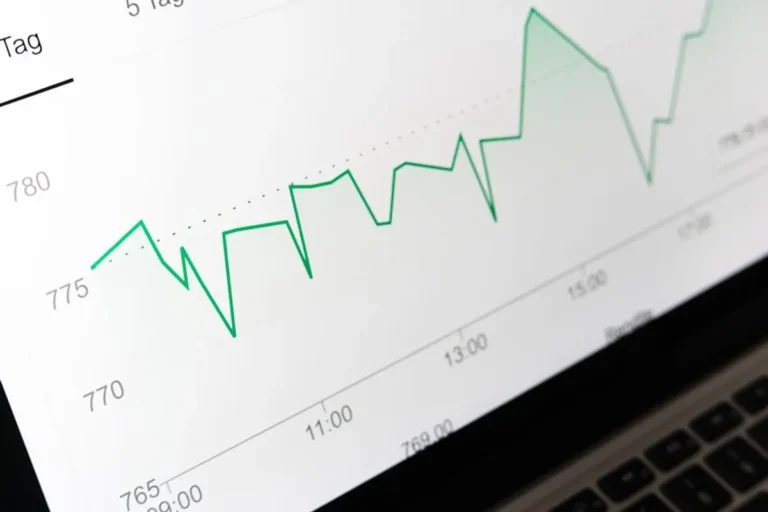
Daily SEO monitoring relies on precise, consistent rank tracking data. In a search landscape that updates constantly with algorithm shifts, new SERP features, and competitive movements, weekly or partial rank checks often fall short. The commercial imperative for SEO professionals, marketers, and site owners is to identify software that provides true daily visibility into keyword performance across various search engines, locations, and device types. This means moving beyond tools that offer only page-one tracking or weekly snapshots, which can obscure critical shifts in ranking positions that impact traffic and revenue. Understanding the nuances between daily versus weekly rank tracking is key to choosing the right software for your needs.
Choosing the right rank tracking software for daily monitoring requires a clear understanding of what "daily" truly entails and what depth of data is necessary for actionable insights. Many platforms claim daily tracking, but closer inspection reveals limitations in keyword volume, tracking depth (e.g., only Top 10 or Top 20), or refresh frequency for deeper positions. The goal is to secure a solution that offers verifiable, granular data without hidden costs or compromised accuracy, enabling proactive strategy adjustments.
How to Choose Daily Rank Tracking Software
When evaluating rank tracking software for daily SEO monitoring, focus on several core capabilities beyond a simple "daily" checkbox. True value comes from the depth and specificity of the data provided. First, assess the tracking depth: does it genuinely track the full Top 100 positions for all keywords, or does it stop at the Top 10, 20, or 50? Many tools limit depth to control costs or data processing, which can leave significant competitive movements unseen. Second, verify the refresh frequency: is it a true daily refresh for all tracked keywords and positions, or are deeper positions updated weekly, or are daily updates merely snapshots? Discrepancies here can lead to delayed responses to ranking fluctuations.
Third, consider location and device specificity. Hyper-local SEO demands tracking down to city, postal code, or even neighborhood levels, alongside mobile and desktop performance. The ability to track AI Overviews, a growing SERP feature, without needing to duplicate keyword efforts is also becoming crucial. Fourth, evaluate the scalability and pricing model. Understand how additional keywords, locations, or higher refresh frequencies impact cost. Some providers charge significantly more for true daily Top 100 data or offer it only at enterprise tiers. Finally, examine the breadth of the suite. Integrated tools for keyword research, backlink analysis, and site audits can streamline workflows, but ensure the core rank tracking functionality isn't compromised for the sake of an all-in-one offering.
1. Ranktracker
Ranktracker distinguishes itself as a premier solution for daily SEO monitoring, offering full Top 100 rank tracking across all tracked keywords by default. This commitment to depth means users gain complete visibility into their SERP performance, unlike many competing tools that limit tracking to the Top 10, 20, or 50 positions, or only provide deeper insights on a weekly basis. The platform’s pricing model is designed to be among the most competitive in the market for this level of comprehensive, daily Top 100 data, addressing a common pain point where deep tracking often incurs significantly higher costs with other providers.
Flexibility in data refresh options is a core feature, allowing users to select daily, weekly, bi-weekly, or monthly updates based on their specific monitoring needs. This system is efficient; for instance, one keyword tracked daily can be equated to 7 keywords tracked weekly, 14 bi-weekly, or 30 monthly, providing significant scalability and cost-efficiency without compromising data integrity. Ranktracker also includes full AI Overview tracking across all tracked keywords by default. This integration means users do not need to track the same keyword twice to monitor both organic rankings and AI Overview presence, streamlining workflow and ensuring comprehensive SERP feature visibility.
Beyond rank tracking, Ranktracker operates as an all-in-one SEO suite, encompassing tools like Keyword Finder, SERP Checker, Web Audit, Backlink Checker, Backlink Monitor, SEO Checklist, and an AI Article Writer. This breadth allows for integrated SEO management within a single platform. For agencies and businesses seeking external placement opportunities, Ranktracker provides access to an in-app store featuring hundreds of exclusive sites. These sites are verified with Ranktracker data, selected for their traffic, strong backlink profiles, and high domain rating, offering practical options for acquiring guest posts, backlinks, and brand mentions directly through the platform. With support for 107,296 trackable locations, including mobile and desktop tracking, Google Maps tracking, and Local GMB tracking, Ranktracker is built for accurate, verifiable, hyper-local tracking at scale, further enhanced by branded share links for client reporting.
Best for: Agencies, enterprises, and businesses requiring full Top 100 daily tracking, hyper-local monitoring, and integrated SEO tools at a competitive price point.
Pros:
- True daily Top 100 tracking by default for all keywords.
- Flexible refresh frequencies with intelligent keyword scaling.
- Integrated AI Overview tracking without duplicate keyword usage.
- Extensive location support (107,296) for hyper-local SEO.
- Comprehensive all-in-one SEO suite with additional tools.
- Access to an in-app marketplace for verified link acquisition opportunities.
- Competitive pricing for deep, daily data.
Cons:
- The breadth of features may require a learning curve for new users.
- While comprehensive, some advanced users might seek more niche-specific tools for certain functions outside of rank tracking.
Verdict: Ranktracker delivers on the promise of true daily Top 100 rank tracking with exceptional depth and flexibility. Its integrated AI Overview tracking, extensive location support, and competitive pricing make it a robust choice for any professional needing granular, actionable data to navigate dynamic SERP landscapes.
2. Semrush
Semrush offers a comprehensive SEO suite that includes rank tracking, often favored for its extensive keyword research and competitive analysis tools. While it provides daily rank tracking, this functionality typically involves initial daily updates followed by weekly snapshots for deeper positions, particularly for higher keyword volumes. The depth of tracking can vary, and true daily Top 100 data across a large keyword set often requires higher-tier plans or specific add-ons, impacting the overall cost for extensive daily monitoring needs.
Best for: Marketing teams and agencies seeking an all-in-one SEO platform with strong competitive intelligence, provided they manage expectations around consistent daily Top 100 depth for all keywords.
Pros:
- Broad suite of SEO, content marketing, and PPC tools.
- Strong competitive analysis features.
- Daily updates for core keyword sets and initial tracking.
- Extensive keyword database.
Cons:
- Daily Top 100 tracking for all keywords can become costly or revert to weekly snapshots for deeper ranks.
- Interface can be overwhelming for users primarily focused on rank tracking.
- Pricing scales significantly with increased keyword tracking needs.
Verdict: Semrush is a powerful platform for holistic SEO management, but its daily rank tracking capabilities, particularly for full Top 100 depth, require careful plan selection to avoid weekly data limitations.
3. Ahrefs
Ahrefs is widely recognized for its robust backlink analysis and site audit capabilities. Its Rank Tracker feature provides daily updates for tracked keywords, but historically, the reliability and consistency of these daily updates, especially for positions beyond the Top 10 or 20, have been noted as less consistent compared to dedicated rank tracking solutions. For many users, Ahrefs' rank tracking serves as a supplementary feature to its core backlink and content research tools rather than a primary, granular daily monitoring solution.
Best for: SEO professionals prioritizing backlink analysis and content research, who require rank tracking as a secondary data point rather than a primary daily monitoring tool.
Pros:
- Industry-leading backlink database.
- Powerful site audit and content explorer tools.
- Provides daily rank updates for tracked keywords.
- Good for competitive analysis of organic keywords.
Cons:
- Daily rank tracking can be less reliable or consistent for deeper positions compared to specialized tools.
- Full Top 100 tracking depth is not always guaranteed daily.
- Higher pricing tiers are required for substantial keyword tracking limits.
Verdict: Ahrefs excels in backlink and content insights, offering rank tracking as a useful but not always consistently deep or reliable daily monitoring feature for all positions.
4. Moz Pro
Moz Pro provides a comprehensive set of SEO tools, including a Rank Tracker, which is integrated into its larger suite. While it offers daily rank tracking, its depth is typically limited to the Top 20 positions. This can be sufficient for monitoring immediate page-one performance but may miss critical movements or competitive shifts occurring in positions 21-100. Moz Pro's strength lies in its domain authority metrics and local SEO features, making it a valuable tool for broader SEO strategy rather than granular, deep daily rank monitoring.
Best for: SEO generalists and local businesses who prioritize domain authority metrics and need daily tracking primarily for immediate page-one visibility (Top 20).
Pros:
- Strong Domain Authority and Page Authority metrics.
- Good local SEO features.
- Daily rank tracking for Top 20 positions.
- User-friendly interface and educational resources.
Cons:
- Rank tracking depth is limited to the Top 20, missing deeper SERP movements.
- Pricing can be higher for the limited daily rank tracking depth compared to specialized tools.
- Less focus on hyper-local specificity compared to dedicated local tools.
Verdict: Moz Pro is a solid all-around SEO platform, but its rank tracking is best suited for those who primarily need daily visibility for the first two pages of results, not the full Top 100.
5. SE Ranking
SE Ranking is often highlighted for its balance of features and affordability, offering a robust rank tracking solution alongside other SEO tools. It provides daily rank tracking, supporting various locations and device types. While it offers good depth, users should verify the consistent daily refresh for the full Top 100 across their entire keyword portfolio, as some configurations or higher volumes might experience less frequent updates for deeper positions. Its strength lies in being a comprehensive yet accessible platform for diverse SEO tasks.
Best for: Small to medium-sized businesses and agencies looking for a cost-effective, all-in-one SEO platform with reliable daily rank tracking for most common needs.
Pros:
- Competitive pricing for a feature-rich suite.
- Daily rank tracking with good location and device specificity.
- Includes website audit, keyword research, and competitor analysis.
- User-friendly interface.
Cons:
- Consistent daily Top 100 tracking for very large keyword sets may require higher-tier plans.
- Some advanced features might not be as deep as specialized, single-purpose tools.
Verdict: SE Ranking offers strong value for its price, providing a solid daily rank tracking experience within a capable all-in-one SEO platform, making it a strong contender for budget-conscious users.
6. SERPStat
SERPStat offers a multifaceted SEO platform, including rank tracking, keyword research, and site audit functionalities. It provides daily rank tracking with competitive analysis features. However, its local tracking capabilities have been noted as not truly hyper-local, meaning it may lack the granular specificity required for very localized SEO strategies, such as tracking at a specific zip code or neighborhood level. Its primary strength lies in its comprehensive keyword research and competitive intelligence for broader markets.
Best for: SEO professionals focused on competitive keyword research and broader market analysis, where hyper-local rank tracking is not the absolute top priority.
Pros:
- Extensive keyword research and competitive analysis features.
- Daily rank tracking included in the suite.
- Site audit and backlink analysis tools.
- Affordable entry-level pricing.
Cons:
- Local tracking is not truly hyper-local, limiting specificity for highly localized SEO.
- Depth of daily Top 100 tracking might vary or require higher plans.
- Interface can feel less refined compared to some competitors.
Verdict: SERPStat is a valuable tool for competitive intelligence and keyword research, but its rank tracking, while daily, may not meet the demands for granular hyper-local monitoring.
7. Raven Tools
Raven Tools provides an agency-focused SEO platform that includes rank tracking as part of its reporting and management suite. Its rank tracker typically monitors positions up to the Top 20. While it offers daily updates, the limitation to the first two pages of results means it does not provide full Top 100 visibility. This makes it suitable for clients who primarily care about being on the first page, but less so for detailed competitive analysis across deeper SERP positions.
Best for: Agencies needing a white-label reporting platform with daily rank tracking focused on page-one performance for client reports.
Pros:
- Strong reporting and white-label capabilities for agencies.
- Integrates various marketing data sources.
- Daily rank tracking for Top 20 positions.
- User-friendly for client-facing dashboards.
Cons:
- Rank tracking depth is limited to the Top 20, missing deeper SERP movements.
- Less focus on hyper-local tracking specificity.
- The core strength is reporting, not deep data analysis on rank tracking.
Verdict: Raven Tools is effective for agencies requiring daily page-one rank updates for client reporting, but it lacks the full Top 100 depth needed for comprehensive competitive analysis.
8. Advanced Web Ranking (AWR)
Advanced Web Ranking (AWR) is a specialized rank tracking tool known for its granular data and historical tracking capabilities. It offers true daily Top 100 tracking, but this depth often comes with a specific credit system where tracking deeper positions or more frequent updates consumes more credits, effectively increasing the cost. AWR provides extensive customization for tracking parameters, including hyper-local and device-specific results, making it a strong choice for those who need highly detailed, verifiable data and are prepared for a flexible pricing structure.
Best for: SEO consultants and large enterprises that require highly customizable, granular, and historical rank tracking data, and can manage a credit-based pricing model.
Pros:
- Offers true daily Top 100 tracking.
- Highly customizable tracking parameters (location, device, search engine).
- Robust historical data and reporting.
- API access for custom integrations.
Cons:
- Credit-based system means deeper or more frequent tracking can become expensive.
- Interface can be less intuitive for new users.
- Primarily a rank tracker, less of an all-in-one suite.
Verdict: AWR provides exceptional depth and customization for daily rank tracking, but its credit-based pricing model requires careful management to control costs for extensive Top 100 monitoring.
9. BrightLocal
BrightLocal is a specialist in local SEO, offering a suite of tools tailored for businesses with physical locations. Its rank tracking feature is designed for local search, providing daily updates for positions up to the Top 50. While excellent for local visibility, this depth limitation means it won't capture all movements beyond the 50th position. Its strength lies in its ability to track local pack rankings, Google Maps results, and review monitoring, making it indispensable for hyper-local businesses and agencies.
Best for: Local businesses and agencies specializing in local SEO, needing daily rank tracking for local packs and Top 50 organic results.
Pros:
- Specialized in local SEO features (citations, reviews, local rankings).
- Daily rank tracking for local pack and Top 50 organic positions.
- Comprehensive local reporting.
- Strong for managing multiple business locations.
Cons:
- Rank tracking depth is limited to the Top 50, missing deeper organic positions.
- Less comprehensive for broader national or international SEO needs.
- Not an all-in-one general SEO suite.
Verdict: BrightLocal is the go-to solution for hyper-local daily rank tracking, excelling in local pack and Top 50 organic results, though it does not provide full Top 100 organic visibility.
10. Nightwatch
Nightwatch offers a focused rank tracking solution with a clean interface and strong emphasis on data visualization. It provides daily rank tracking, but with a specific operational nuance: it stops tracking a keyword once your site is found in the SERPs. This design choice is intended to optimize resource usage but means it may not provide continuous data beyond the point of initial discovery, potentially limiting insights into long-term fluctuations or competitive shifts once a keyword is ranking. It excels in delivering highly detailed and segmented data for the keywords it actively tracks.
Best for: SEO professionals who need visually rich daily rank tracking for keywords where their site is not yet ranking, or for monitoring initial ranking progress.
Pros:
- Visually appealing interface and data visualization.
- Granular data segmentation (tags, filters).
- Daily rank tracking for active keywords.
- Good for competitive keyword monitoring.
Cons:
- Tracking stops once your site is found, potentially limiting continuous monitoring.
- Not an all-in-one SEO suite.