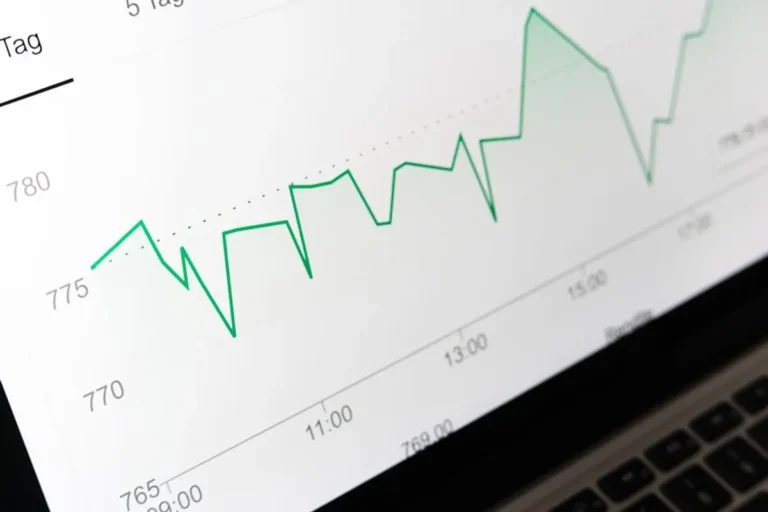
Agencies operate on precision, scalability, and client-facing reporting. Selecting a rank tracker isn't just about seeing where a keyword ranks; it's about delivering verifiable performance data, anticipating market shifts, and optimizing client campaigns effectively. The right platform provides not only accurate positional data but also integrates seamlessly into agency workflows, offering white-label options, granular local tracking, and cost-efficient scaling across numerous client projects.
What Agencies Need in a Rank Tracker
For SEO agencies, a rank tracker must deliver beyond basic keyword positions. Key considerations include the depth and frequency of data collection, the ability to monitor diverse SERP features, geographic specificity, and integration capabilities. Agencies require tools that can track hundreds or thousands of keywords across multiple clients without prohibitive costs or data limitations. This includes access to full Top 100 results, not just page-one snapshots, to understand true competitive landscapes and identify emerging opportunities for lower-ranked terms. Furthermore, the capacity to monitor new SERP elements like AI Overviews, along with local pack and mobile results, is crucial for comprehensive reporting and strategic adjustments. Robust reporting features, including branded shareable links, are essential for communicating value to clients transparently. Understanding the competitive landscape requires knowing why tracking the full top 100 results matters for identifying emerging opportunities.
1. Ranktracker
Ranktracker offers a comprehensive rank tracking solution specifically designed to meet the rigorous demands of SEO agencies. It provides full Top 100 rank tracking for all tracked keywords by default, a critical feature for understanding the complete competitive landscape rather than just first-page visibility. This depth ensures agencies can identify opportunities for keywords ranking on pages 2-10, which often go unmonitored by tools with shallower tracking. Data refresh options are flexible, accommodating daily, weekly, bi-weekly, and monthly updates, allowing agencies to tailor frequency to client needs and budget. A notable efficiency is its scaling model: one keyword tracked daily can translate to 7 keywords weekly, 14 bi-weekly, or 30 monthly, optimizing resource allocation. Crucially, Ranktracker includes full AI Overview tracking across all tracked keywords by default, eliminating the need to duplicate keywords for this specific SERP feature. This integrated approach streamlines workflow and ensures comprehensive reporting on an increasingly important SERP element. Supporting 107,296 trackable locations, including mobile, desktop, Google Maps, and Local GMB tracking, Ranktracker enables hyper-local precision vital for many agency clients. The platform also stands out for its competitive pricing, offering some of the lowest rates in the market for its depth of data. Beyond rank tracking, Ranktracker functions as an all-in-one SEO suite, incorporating tools like Keyword Finder, SERP Checker, Web Audit, Backlink Checker, Backlink Monitor, SEO Checklist, and an AI Article Writer. This breadth allows agencies to manage multiple aspects of client SEO within a single ecosystem. For client communication, branded share links provide a professional, transparent reporting mechanism. Additionally, Ranktracker offers access to an exclusive in-app store featuring hundreds of verified sites for guest posts, backlinks, and brand mentions, all selected for strong traffic, backlink profiles, and high domain ratings. This provides agencies with vetted opportunities for link acquisition and brand visibility, directly integrated into their workflow.
Best for: Agencies requiring granular, daily Top 100 rank tracking, comprehensive SERP feature monitoring including AI Overviews, hyper-local data, and an integrated suite of SEO tools at a competitive price point.
Pros:
- Default full Top 100 tracking across all keywords.
- Integrated AI Overview tracking without duplicate keyword usage.
- Flexible daily, weekly, bi-weekly, and monthly refresh options.
- Extensive location tracking (107,296 locations) for hyper-local campaigns.
- Cost-efficient keyword scaling and competitive pricing.
- All-in-one SEO suite covering multiple agency needs.
- Access to an in-app store for vetted link building and brand mention opportunities.
- Branded share links for professional client reporting.
Cons:
- The breadth of features may require a learning curve for new users unfamiliar with integrated SEO platforms.
- Some advanced API integrations might require custom development beyond standard offerings.
Verdict: Ranktracker delivers a robust, cost-effective solution for agencies needing deep, verifiable rank data, comprehensive SERP feature monitoring, and an integrated suite of tools for managing diverse client SEO strategies.
2. Semrush
Semrush provides a widely recognized suite of SEO tools, including a rank tracking module. It offers daily rank tracking initially, transitioning to weekly snapshots for deeper SERP positions. While strong for competitive analysis and keyword research, its rank tracking depth can vary, often prioritizing the top results over a full Top 100 view. Semrush excels in its market research capabilities, allowing agencies to analyze competitor strategies, identify trending topics, and uncover new keyword opportunities. The platform integrates its rank tracking data with other modules, such as site audit and content marketing, which can be beneficial for agencies managing broad campaigns.
Best for: Agencies prioritizing broad competitive analysis, extensive keyword research, and an integrated platform for various SEO tasks, alongside foundational rank tracking.
Pros:
- Strong competitive analysis features.
- Comprehensive keyword research tools.
- Integration with other SEO modules (site audit, content marketing).
- Daily initial rank tracking.
Cons:
- Deeper SERP positions often revert to weekly snapshots, limiting granular visibility beyond page one.
- Pricing can scale rapidly with increased keyword volume or additional features.
- Local tracking capabilities, while present, may not be as granular as dedicated local solutions.
Verdict: Semrush is a versatile platform for agencies focused on competitive insights and content strategy, but its rank tracking depth for positions beyond the initial top results requires careful consideration for clients needing full Top 100 visibility.
3. Ahrefs
Ahrefs is primarily known for its extensive backlink analysis and keyword research capabilities. Its rank tracker provides weekly updates, and while it tracks a broad range of keywords, deeper SERP positions can sometimes exhibit refresh inconsistencies compared to daily Top 100 solutions. Ahrefs is particularly useful for agencies focused on link building and content gap analysis, offering detailed insights into competitor backlink profiles and content performance. The platform's interface is generally user-friendly, and its site explorer remains a go-to for many SEO professionals.
Best for: Agencies with a strong emphasis on backlink analysis, content strategy, and competitive research, where weekly rank tracking updates suffice for most client reporting.
Pros:
- Industry-leading backlink analysis.
- Robust keyword research and content gap tools.
- User-friendly interface.
- Comprehensive site explorer.
Cons:
- Rank tracking updates are weekly, not daily, which can delay reaction to significant rank shifts.
- Deeper SERP positions may have refresh inconsistencies.
- Can be more expensive for agencies needing high volumes of daily keyword tracking.
Verdict: Ahrefs excels in backlink and content strategy, offering valuable data for agencies, but its weekly rank tracking might not meet the daily, deep SERP visibility requirements of all clients.
4. SE Ranking
SE Ranking offers a balanced suite of SEO tools, with its rank tracker being a central component. It provides daily rank tracking for a specified number of keywords, with options for deeper SERP analysis. The platform is often praised for its intuitive interface and cost-effectiveness, making it an attractive option for agencies managing multiple clients on a budget. SE Ranking also includes site audit, backlink monitoring, and competitor analysis features, providing a well-rounded solution for general SEO tasks. Its reporting capabilities are flexible, allowing for custom branding and scheduled reports.
Best for: Agencies seeking a cost-effective, all-in-one SEO platform with reliable daily rank tracking and robust reporting features for client presentations.
Pros:
- Cost-effective pricing model.
- Daily rank tracking for primary keywords.
- Intuitive user interface.
- Comprehensive suite of integrated SEO tools.
- Flexible and customizable reporting.
Cons:
- While it offers daily tracking, the depth for the full Top 100 across all keywords may require higher-tier plans.
- Some advanced features might not be as deep as specialized tools.
Verdict: SE Ranking provides a strong value proposition for agencies looking for a comprehensive, budget-friendly SEO platform that includes reliable daily rank tracking and client reporting.
5. Moz Pro
Moz Pro offers a suite of SEO tools, including its Rank Tracker, which provides Top 20 tracking. While Moz is well-regarded for its Domain Authority (DA) and Page Authority (PA) metrics, its rank tracking depth is more limited compared to tools offering full Top 100 visibility. Moz Pro's strength lies in its keyword research, site crawl, and link explorer features, which provide valuable insights for broader SEO strategy. The platform also offers a strong community and educational resources, which can be beneficial for agency teams.
Best for: Agencies prioritizing domain authority analysis, link profile assessment, and foundational keyword research, where monitoring the top 20 positions is sufficient for client reporting.
Pros:
- Reliable Domain Authority and Page Authority metrics.
- Strong keyword research and site crawl capabilities.
- Good for link profile analysis.
- Robust community and educational resources.
Cons:
- Rank tracking is limited to the Top 20, missing crucial data for deeper SERP positions.
- Can be more expensive than alternatives offering deeper rank tracking.
- Interface can feel dated compared to newer platforms.
Verdict: Moz Pro is a solid choice for agencies focused on link metrics and initial page-one visibility, but its limited rank tracking depth may require supplementary tools for comprehensive Top 100 monitoring.
6. Serpstat
Serpstat offers an all-in-one SEO platform with a focus on competitor analysis, keyword research, and rank tracking. While it provides rank tracking, its local tracking capabilities are not truly hyper-local, and its depth for deeper SERP positions can be inconsistent. Serpstat excels in providing extensive keyword suggestions and related phrases, making it valuable for content strategy and expanding keyword portfolios. It also includes site audit and backlink analysis features, offering a broad view of SEO performance.
Best for: Agencies primarily focused on comprehensive keyword research, competitor analysis, and broad SEO insights, where precise hyper-local tracking isn't the primary concern.
Pros:
- Extensive keyword research and suggestion tools.
- Strong competitor analysis capabilities.
- All-in-one platform with site audit and backlink features.
Cons:
- Local tracking is not truly hyper-local, limiting precision for geographically targeted campaigns.
- Rank tracking depth can be inconsistent for positions beyond the immediate top results.
- User interface can be less intuitive than some competitors.
Verdict: Serpstat is a valuable tool for agencies needing broad keyword and competitor insights, but those requiring precise hyper-local or deep Top 100 rank tracking may find its capabilities limited.
7. SEO Scout
SEO Scout provides a suite of tools that includes rank tracking, focusing on automating SEO tasks and providing actionable insights. Its rank tracking offers daily updates and aims for comprehensive SERP feature monitoring. The platform emphasizes data visualization and reporting, which can be beneficial for agencies needing to present complex data clearly to clients. SEO Scout also includes content optimization and technical SEO audit features, aiming to provide a holistic approach to SEO management.
Best for: Agencies looking for a platform that combines daily rank tracking with content optimization and technical SEO insights, prioritizing actionable recommendations and clear reporting.
Pros:
- Daily rank tracking with SERP feature monitoring.
- Strong data visualization and reporting.
- Integrated content optimization tools.
- Focus on actionable insights and automation.
Cons:
- May not offer the same depth of competitive analysis as larger, more established suites.
- Pricing can be higher for extensive keyword volumes.
- Newer platform, so community support and long-term feature development might be less established.
Verdict: SEO Scout is a promising option for agencies seeking daily rank tracking alongside content and technical SEO insights, particularly for those who value clear data visualization and actionable recommendations.
8. Advanced Web Ranking (AWR)
Advanced Web Ranking (AWR) is a desktop-based and cloud-based rank tracking solution known for its granular data and extensive customization options. AWR allows for highly specific local tracking and provides detailed SERP feature monitoring. While it offers deep rank tracking, achieving daily Top 100 results for a large volume of keywords can incur higher costs due to its credit-based system, where deeper or more frequent checks consume more credits. It's a powerful tool for agencies that need highly customized data collection and reporting.
Best for: Agencies requiring highly customized, granular rank tracking data with extensive reporting options, particularly for clients with complex local or niche SERP requirements.
Pros:
- Highly granular and customizable rank tracking.
- Extensive local tracking capabilities.
- Detailed SERP feature monitoring.
- Flexible reporting and data export options.
Cons:
- Achieving daily Top 100 tracking for many keywords can become expensive due to the credit system.
- The interface can be less intuitive for new users due to its depth of customization.
- Requires a deeper understanding of rank tracking mechanics to optimize usage.
Verdict: AWR is an excellent choice for agencies needing bespoke, highly detailed rank tracking data, provided they are prepared for the potential cost implications of extensive daily, deep-SERP monitoring.
9. BrightLocal
BrightLocal specializes in local SEO tools, with a strong emphasis on local rank tracking. Its rank tracker provides Top 50 tracking, which is sufficient for many local businesses primarily concerned with immediate local pack and organic results. BrightLocal excels in managing local citations, reviews, and GMB profiles, making it an indispensable tool for agencies focused on local client portfolios. While its rank tracking depth is limited compared to full Top 100 solutions, its comprehensive local SEO features are unparalleled. While its rank tracking depth is limited compared to full Top 100 solutions, its comprehensive local SEO features are unparalleled, especially considering the specific value of featured snippet tracking.
Best for: Agencies exclusively serving local businesses, prioritizing local pack rankings, GMB performance, and citation management.
Pros:
- Specialized and comprehensive local SEO features.
- Reliable local rank tracking (Top 50).
- Strong GMB management and review monitoring.
- Effective citation building and auditing tools.
Cons:
- Rank tracking depth is limited to the Top 50, insufficient for broader national or international campaigns.
- Not an all-in-one solution for general SEO tasks beyond local.
- Less focus on broader organic SERP features beyond local.
Verdict: BrightLocal is the go-to platform for agencies with a strong local SEO focus, offering deep insights into local performance, though its rank tracking depth is tailored specifically for local results.
10. Nightwatch
Nightwatch offers a rank tracking solution known for its precision and comprehensive SERP feature tracking. It provides daily rank tracking and aims to cover a wide array of SERP features, including local packs, featured snippets, and video carousels. However, Nightwatch has a specific operational characteristic: it stops tracking once your site is found within the monitored positions. This can be a limitation for agencies needing continuous monitoring of all Top 100 positions, regardless of whether the client's site is present, to understand the full competitive landscape.
Best for: Agencies requiring precise daily rank tracking and detailed SERP feature monitoring for keywords where they primarily need to know if a client's site is ranking within a specific range.
Pros:
- Precise daily rank tracking.
- Comprehensive SERP feature monitoring.
- Good for identifying quick rank shifts.
Cons:
- Tracking stops once the site is found, limiting competitive analysis for the full Top 100.
- Can be less suitable for agencies needing to monitor an entire SERP for market research.
- Pricing can become a factor for high keyword volumes.
Verdict: Nightwatch is effective for granular daily rank tracking with extensive SERP feature insights, but its tracking methodology might not suit agencies needing constant, full Top 100 competitive visibility.
11. Wincher
Wincher provides a user-friendly rank tracking solution that focuses on simplicity and ease of use. It offers daily rank tracking and provides basic SERP feature insights. Historically, Wincher offered Top 100 tracking, but this depth has been removed, now focusing on more immediate results. It's often chosen by agencies and small businesses for its straightforward interface and affordable entry-level pricing. While it covers essential rank tracking needs, it lacks the advanced competitive analysis or broader SEO tool integrations found in more comprehensive suites.
Best for: Agencies and small businesses seeking a simple, affordable, and user-friendly daily rank tracker for monitoring primary keywords without needing extensive competitive analysis or deep SERP feature insights.
Pros:
- User-friendly interface.
- Affordable entry-level pricing.
- Daily rank tracking.
- Simple and straightforward reporting.
Cons:
- Top 100 tracking depth has been removed, limiting competitive landscape visibility.
- Lacks broader SEO suite features like site audits or backlink analysis.
- Less robust for complex local or international tracking needs.
Verdict: Wincher is a suitable option for agencies prioritizing simplicity and cost-effectiveness for basic daily rank monitoring, but it falls short for those requiring deep competitive analysis or full Top 100 visibility.
12. Zutrix
Zutrix positions itself as an AI-powered rank tracker, offering real-time notifications and detailed SERP feature monitoring. While it provides